

Can a Gym Seated Leg Press Trainer be used for plyometric exercises?
Jul 21, 2025
Leave a message
Can a Gym Seated Leg Press Trainer be used for plyometric exercises?
As a supplier of Gym Seated Leg Press Trainers, I often encounter questions from fitness enthusiasts and gym owners about the versatility of our equipment. One of the most common inquiries is whether a Gym Seated Leg Press Trainer can be used for plyometric exercises. In this blog post, I will explore this question in detail, providing scientific insights and practical considerations.

Understanding Plyometric Exercises
Plyometric exercises, also known as "jump training," are a type of exercise that involves rapid stretching and contracting of muscles to generate explosive power. These exercises typically include movements such as jumping, bounding, and hopping, which require the muscles to quickly transition from an eccentric (lengthening) to a concentric (shortening) contraction. Plyometric training is widely used by athletes to improve their speed, power, and agility, but it can also be beneficial for individuals looking to enhance their overall fitness and performance.
The Mechanics of a Gym Seated Leg Press Trainer
A Gym Seated Leg Press Trainer is a popular piece of strength training equipment that allows users to perform leg presses while seated. The machine typically consists of a seat, a footplate, and a weight stack or resistance mechanism. Users sit on the seat, place their feet on the footplate, and push against the resistance to extend their legs. The seated position provides stability and support, allowing users to focus on isolating and strengthening the muscles of the lower body, including the quadriceps, hamstrings, and glutes.
Can a Gym Seated Leg Press Trainer be Used for Plyometric Exercises?
The short answer is yes, a Gym Seated Leg Press Trainer can be used for plyometric exercises, but with some limitations. While the machine is primarily designed for strength training, it can be modified to incorporate elements of plyometric training. Here are some factors to consider when using a Gym Seated Leg Press Trainer for plyometric exercises:
- Range of Motion: Plyometric exercises typically involve a large range of motion and rapid movement. The seated position of the leg press trainer may limit the range of motion compared to traditional plyometric exercises such as jumping or bounding. However, users can adjust the seat and footplate position to increase the range of motion and simulate a more dynamic movement.
- Resistance: Plyometric exercises rely on the stretch-shortening cycle of the muscles to generate power. The resistance provided by the leg press trainer may not be sufficient to fully engage the stretch-shortening cycle, especially for advanced plyometric exercises. Users can increase the resistance by adding more weight to the stack or using a resistance band to provide additional resistance.
- Safety: Plyometric exercises can be high-impact and put a significant amount of stress on the joints and muscles. The seated position of the leg press trainer provides some stability and support, but users should still take precautions to ensure their safety. It is important to warm up properly before performing plyometric exercises and to start with low-intensity movements and gradually increase the intensity and complexity as the muscles adapt.
Tips for Using a Gym Seated Leg Press Trainer for Plyometric Exercises
If you decide to use a Gym Seated Leg Press Trainer for plyometric exercises, here are some tips to help you get the most out of your workout:
- Start Slow: Begin with low-intensity plyometric exercises and gradually increase the intensity and complexity as your muscles adapt. This will help prevent injury and ensure that you are using the correct form and technique.
- Use Proper Form: Proper form is essential for performing plyometric exercises safely and effectively. Make sure to keep your back straight, your knees aligned with your toes, and your feet flat on the footplate. Avoid bouncing or jerking the weight, and focus on generating power from your muscles.
- Incorporate Variety: To prevent boredom and keep your muscles challenged, incorporate a variety of plyometric exercises into your workout routine. You can try different foot positions, angles, and movement patterns to target different muscles and improve your overall performance.
- Combine with Other Exercises: Plyometric exercises can be combined with other strength training exercises to create a comprehensive workout routine. You can perform plyometric exercises on the leg press trainer followed by traditional strength training exercises such as squats, lunges, or deadlifts to target the same muscle groups from different angles.
Other Considerations
In addition to the factors mentioned above, there are a few other considerations to keep in mind when using a Gym Seated Leg Press Trainer for plyometric exercises:
- Equipment Quality: The quality of the leg press trainer is important for ensuring safety and performance. Make sure to choose a high-quality machine that is durable, stable, and easy to use. Look for features such as adjustable seat and footplate positions, smooth operation, and a reliable resistance mechanism.
- Training Goals: Your training goals will determine the type and intensity of plyometric exercises you should perform. If you are an athlete looking to improve your speed, power, and agility, you may want to focus on more advanced plyometric exercises that involve a greater range of motion and higher intensity. If you are a beginner or looking to improve your overall fitness and performance, you may want to start with more basic plyometric exercises and gradually increase the intensity as you progress.
- Professional Guidance: If you are new to plyometric training or have any health concerns or injuries, it is recommended to seek professional guidance from a qualified fitness trainer or coach. They can help you develop a personalized workout plan that is tailored to your specific needs and goals, and provide you with proper instruction and guidance on how to perform plyometric exercises safely and effectively.
Other Related Equipment
In addition to the Gym Seated Leg Press Trainer, there are other pieces of strength training equipment that can be used for plyometric exercises or to complement your plyometric training routine. Here are some examples:
- The Dual Function Seated Abdomen Back Trainer: This machine allows users to perform a variety of abdominal and back exercises, including sit-ups, crunches, and back extensions. It can be used to strengthen the core muscles, which are essential for stability and balance during plyometric exercises.
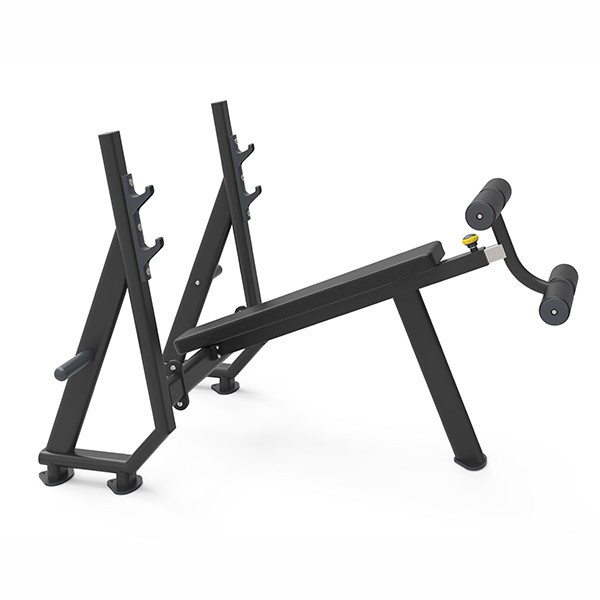
- Strength Training Decline Chest Press Bench: This bench is designed for performing decline chest presses, which target the lower chest muscles. It can be used to strengthen the chest muscles, which are important for upper body power and performance during plyometric exercises.
- Fitness Centre Gym Lat Back Trainer: This machine allows users to perform lat pulldowns and other back exercises, which target the muscles of the back and shoulders. It can be used to strengthen the back muscles, which are important for posture and stability during plyometric exercises.
Conclusion
In conclusion, a Gym Seated Leg Press Trainer can be used for plyometric exercises, but with some limitations. While the machine is primarily designed for strength training, it can be modified to incorporate elements of plyometric training. By considering the factors mentioned above and following the tips provided, users can safely and effectively use a Gym Seated Leg Press Trainer to enhance their plyometric training and improve their overall fitness and performance.
If you are interested in purchasing a Gym Seated Leg Press Trainer or other strength training equipment for your gym or fitness facility, please feel free to contact us for more information. We are a leading supplier of high-quality fitness equipment and can provide you with a wide range of options to meet your specific needs and budget.
References
- American Council on Exercise (ACE). (2019). Plyometric Training: A Guide for Fitness Professionals. Retrieved from https://www.acefitness.org/resources/prosource/article/2644/plyometric-training-a-guide-for-fitness-professionals/
- National Strength and Conditioning Association (NSCA). (2016). Essentials of Strength Training and Conditioning (4th ed.). Champaign, IL: Human Kinetics.
- Pollock, M. L., Schmidt, D. H., & Jackson, A. S. (1998). Exercise Testing and Prescription: A Health-Related Approach (5th ed.). Philadelphia, PA: Lippincott Williams & Wilkins.