

Can a Horizontal Leg Curl Trainer be used for deadlift assistance?
Sep 19, 2025
Leave a message
When it comes to strength training, the deadlift stands as one of the most fundamental and effective compound exercises. It engages multiple muscle groups simultaneously, including the glutes, hamstrings, lower back, and core. Meanwhile, the horizontal leg curl trainer is a piece of equipment primarily designed to target the hamstrings. As a supplier of horizontal leg curl trainers, a question that often arises is whether this machine can be used for deadlift assistance. In this blog, we'll explore this topic in depth, examining the potential benefits, limitations, and considerations.
Understanding the Deadlift and Horizontal Leg Curl Trainer
Before delving into the possibility of using a horizontal leg curl trainer for deadlift assistance, it's crucial to understand the mechanics of both the deadlift and the horizontal leg curl trainer.
The deadlift is a compound movement where the lifter starts with a barbell on the floor, bends down to grasp it, and then lifts it off the ground to a standing position. This movement requires significant strength and coordination from the posterior chain muscles, including the hamstrings, glutes, and lower back. Proper form is essential to prevent injury and maximize the effectiveness of the exercise.
On the other hand, a horizontal leg curl trainer is a specialized piece of equipment that allows users to isolate and strengthen the hamstrings. The user lies face down on the machine, with their legs positioned under a padded lever. By contracting the hamstrings, the user can curl the lever towards their buttocks, effectively working the targeted muscles.
Potential Benefits of Using a Horizontal Leg Curl Trainer for Deadlift Assistance
- Hamstring Strengthening: The hamstrings play a crucial role in the deadlift, especially during the eccentric (lowering) and concentric (lifting) phases. By using a horizontal leg curl trainer to strengthen the hamstrings, lifters can potentially improve their deadlift performance. Stronger hamstrings can provide more power during the lift, help maintain proper form, and reduce the risk of injury.
- Isolation and Rehabilitation: For lifters who may have specific hamstring weaknesses or injuries, a horizontal leg curl trainer allows for isolated hamstring training. This can be beneficial for rehabilitation purposes, as it allows the lifter to focus on strengthening the hamstrings without putting excessive stress on other parts of the body. By gradually building strength in the hamstrings, lifters can then transfer this strength to the deadlift.
- Form Improvement: The horizontal leg curl trainer provides a stable and controlled environment for hamstring training. This can help lifters develop a better mind - muscle connection with their hamstrings, which can translate to improved form during the deadlift. By understanding how to properly engage the hamstrings, lifters can ensure that they are using these muscles effectively during the deadlift, rather than relying too much on other muscle groups.
Limitations of Using a Horizontal Leg Curl Trainer for Deadlift Assistance
- Lack of Compound Movement: The deadlift is a compound exercise that engages multiple muscle groups simultaneously, while the horizontal leg curl trainer is an isolation exercise that primarily targets the hamstrings. While strengthening the hamstrings is important for the deadlift, it does not fully replicate the complex movement patterns and muscle activation required for a proper deadlift. Therefore, relying solely on a horizontal leg curl trainer for deadlift assistance may not be sufficient to improve overall deadlift performance.
- Limited Range of Motion: The range of motion on a horizontal leg curl trainer is typically more limited compared to the range of motion in a deadlift. In a deadlift, the lifter starts from the floor and lifts the barbell to a standing position, which requires a greater range of motion in the hips, knees, and ankles. The horizontal leg curl trainer, on the other hand, only allows for a specific range of motion at the knee joint. This limited range of motion may not fully prepare the lifter for the demands of the deadlift.
- Lack of Functional Strength: The horizontal leg curl trainer is a machine - based exercise, which means that it provides a certain level of support and stability. In contrast, the deadlift is a free - weight exercise that requires the lifter to maintain balance and stability throughout the movement. Using a horizontal leg curl trainer may not fully develop the functional strength and stability required for a successful deadlift.
Considerations for Using a Horizontal Leg Curl Trainer for Deadlift Assistance
- Incorporate into a Comprehensive Training Program: Instead of relying solely on a horizontal leg curl trainer for deadlift assistance, it should be incorporated into a comprehensive strength training program. This program should include other compound exercises, such as squats, lunges, and Romanian deadlifts, to target multiple muscle groups and improve overall strength and power. Additionally, incorporating accessory exercises for the lower back, glutes, and core can also help to support the deadlift.
- Progressive Overload: As with any strength training exercise, progressive overload is essential when using a horizontal leg curl trainer for deadlift assistance. This means gradually increasing the resistance, repetitions, or sets over time to continue challenging the muscles and promoting strength gains. By following a progressive overload principle, lifters can ensure that they are making continuous improvements in their hamstring strength, which can ultimately translate to better deadlift performance.
- Proper Form and Technique: Whether using a horizontal leg curl trainer or performing a deadlift, proper form and technique are crucial. When using the horizontal leg curl trainer, make sure to keep the back flat, engage the core, and use a controlled movement. This will help to ensure that the hamstrings are being targeted effectively and reduce the risk of injury. Similarly, when performing the deadlift, pay attention to proper form, including maintaining a neutral spine, engaging the glutes and hamstrings, and using a controlled movement.
Other Related Equipment for Strength Training
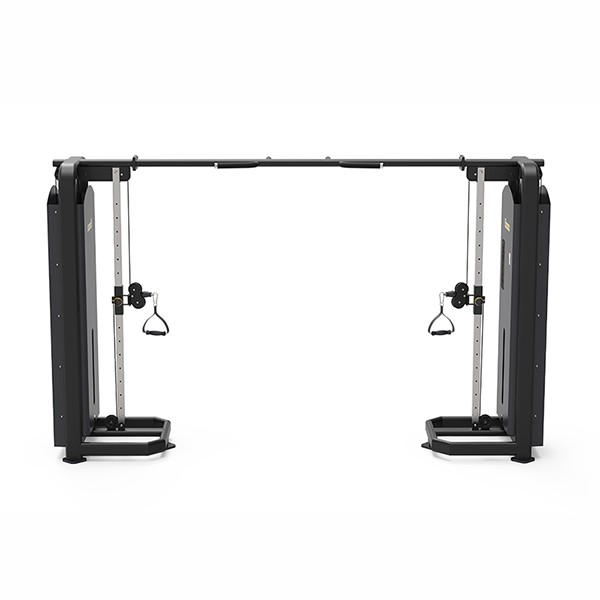
In addition to the horizontal leg curl trainer, there are other pieces of equipment that can be beneficial for strength training and may complement deadlift training. For example, an Adjustable Dumbbell Bench allows for a variety of exercises, including dumbbell rows and shoulder presses, which can help to strengthen the upper body and improve overall strength and stability. A Gym Strength Cable Crossover Trainer can be used to target the chest, shoulders, and back muscles, providing a different type of resistance training compared to free weights. And a Shoulder Extension Training Machine can specifically target the shoulder muscles, which are important for maintaining proper form during the deadlift.
Conclusion
In conclusion, while a horizontal leg curl trainer can be a useful tool for strengthening the hamstrings and potentially assisting with deadlift performance, it has its limitations. It should be used as part of a comprehensive strength training program that includes other compound exercises and accessory movements. By incorporating the horizontal leg curl trainer into a well - rounded training program, paying attention to proper form and technique, and applying the principle of progressive overload, lifters can potentially improve their hamstring strength and enhance their deadlift performance.
If you're interested in purchasing a high - quality horizontal leg curl trainer or other strength training equipment, we're here to help. Our products are designed to meet the needs of both amateur and professional lifters, providing reliable and effective training solutions. Contact us to discuss your specific requirements and start your journey towards better strength and fitness.

References
- Zatsiorsky, V. M., & Kraemer, W. J. (2006). Science and practice of strength training. Human Kinetics.
- Fleck, S. J., & Kraemer, W. J. (2014). Designing resistance training programs. Human Kinetics.
- McGill, S. M. (2010). Low back disorders: Evidence - based prevention and rehabilitation. Human Kinetics.