

Can a workout biceps trainer train biceps during a cut?
Dec 08, 2025
Leave a message
When it comes to fitness and body transformation, one of the most common goals is cutting - the process of reducing body fat while preserving muscle mass. During this phase, many fitness enthusiasts wonder if they can still effectively train specific muscle groups, such as the biceps, and whether a workout biceps trainer can play a crucial role. As a supplier of workout biceps trainers, I am here to delve into this topic and provide you with a comprehensive understanding.
The Science Behind Cutting and Muscle Training
Cutting involves creating a calorie deficit, which means burning more calories than you consume. This forces your body to use stored fat as an energy source. However, there is a concern that during this calorie - restricted state, muscle loss might occur, especially when training specific muscles like the biceps.
Muscle growth and preservation are largely dependent on two factors: mechanical tension and metabolic stress. Mechanical tension is created when you lift heavy weights, causing the muscle fibers to stretch and contract. Metabolic stress, on the other hand, is the "burn" you feel during a workout, which is a result of the accumulation of metabolic by - products in the muscle.
During a cut, your body is in a catabolic state to some extent. But this doesn't mean you can't train your biceps. In fact, targeted biceps training can help maintain muscle mass in this area. When you train your biceps, you create mechanical tension and metabolic stress, which send signals to your body to preserve the muscle tissue.
The Role of a Workout Biceps Trainer
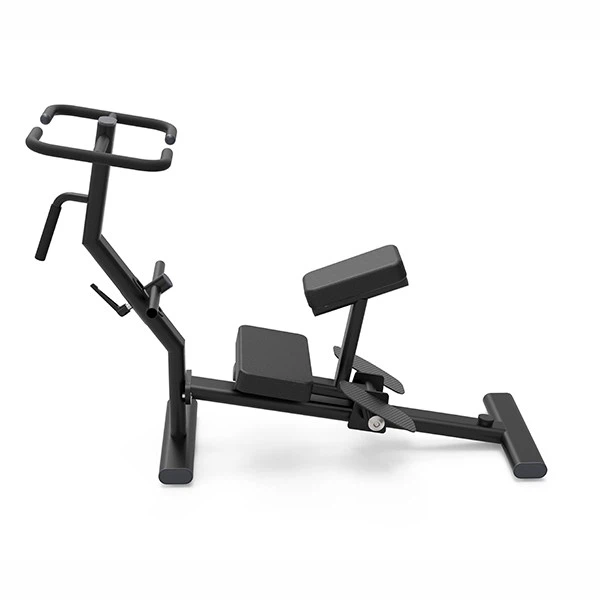
A workout biceps trainer is designed to isolate and target the biceps muscles effectively. It provides a controlled environment for performing bicep - specific exercises, which is beneficial during a cut.
One of the main advantages of using a workout biceps trainer is that it allows you to maintain proper form. During a cut, your energy levels might be lower, and it can be easier to compromise on form when performing free - weight exercises. A biceps trainer helps you keep your movements in check, ensuring that the biceps are the primary muscles being worked.
For example, a typical biceps trainer might have a padded seat and adjustable armrests. This setup allows you to sit comfortably and focus on the contraction of the biceps without having to worry about stabilizing your body. This isolation is crucial for maximizing the mechanical tension on the biceps, which is essential for muscle preservation.
Moreover, a workout biceps trainer can be adjusted to different resistance levels. This is important during a cut because as your body composition changes, your strength might also fluctuate. You can easily increase or decrease the resistance on the trainer to match your current strength level, ensuring that you continue to challenge your biceps.

Incorporating Biceps Training into a Cutting Routine
When cutting, it's important to have a well - structured workout routine. Biceps training should be integrated into a full - body workout plan. For instance, you can perform biceps exercises two to three times a week, depending on your overall training volume.
A sample biceps workout using a biceps trainer could include the following:
- Warm - up: Start with 5 - 10 minutes of light cardio, such as jogging in place or cycling, to increase blood flow to the muscles. Then, do some dynamic stretches for the biceps, like arm circles and gentle bicep curls with a very light weight.
- Biceps curls on the trainer: Perform 3 - 4 sets of 8 - 12 repetitions. Focus on slow, controlled movements, squeezing the biceps at the top of each curl.
- Hammer curls on the trainer: This variation targets the brachialis muscle, which is located beneath the biceps. Do 3 sets of 10 - 15 repetitions.
- Cool - down: Finish with some static stretches for the biceps, holding each stretch for 15 - 30 seconds.
It's also important to note that biceps training should be complemented with proper nutrition. During a cut, you need to ensure that you are still consuming enough protein to support muscle maintenance. Aim for at least 1 gram of protein per pound of body weight per day.
Other Equipment to Complement Biceps Training
In addition to a workout biceps trainer, there are other pieces of equipment that can enhance your cutting routine and overall fitness.
The The Dual Function Seated Abdomen Back Trainer is a great addition to your home gym. It allows you to work on your abdominal and back muscles, which are important for overall core strength. A strong core can improve your stability during biceps training and other exercises.
The Gym Seated Leg Press Trainer is another valuable piece of equipment. Leg training is often overlooked during a cut, but it is essential for maintaining a balanced physique. Training your legs also helps to increase your overall metabolic rate, which can aid in fat loss.
The Gym Workout Stretch Bench is useful for stretching after your workouts. Proper stretching can help reduce muscle soreness and improve flexibility, which is beneficial for your biceps and other muscles.
Conclusion
In conclusion, a workout biceps trainer can indeed be used to train the biceps during a cut. It provides a safe and effective way to target the biceps muscles, helping to preserve muscle mass while you are in a calorie - deficit state. By incorporating biceps training into a well - structured cutting routine and complementing it with proper nutrition and other equipment, you can achieve your fitness goals.
If you are interested in purchasing a high - quality workout biceps trainer or any of the other fitness equipment mentioned in this article, please feel free to contact us for more information and to start a procurement discussion. We are committed to providing you with the best fitness solutions to help you reach your full potential.
References
- American Council on Exercise. (2023). The Science of Strength Training.
- National Strength and Conditioning Association. (2022). Essentials of Strength Training and Conditioning.
- Layman, D. K., & Evans, E. (2010). Protein and exercise: Influence on body composition and muscle function. Nutrition, 26(1), 17 - 21.