

Can a workout biceps trainer train biceps every day?
Nov 06, 2025
Leave a message
Hey there, fitness enthusiasts! I'm a supplier of workout equipment, and today, I want to dig into a question that many gym-goers often wonder about: Can a workout biceps trainer train biceps every day?
First off, let's talk a bit about the biceps. The biceps brachii is a muscle located on the front of your upper arm. It's one of the most visible muscles in the body, and many people focus on it to get those impressive "guns." But before we decide if daily bicep training is a good idea, we need to understand how muscles grow.
Muscle growth, or hypertrophy, occurs when you subject your muscles to stress. When you lift weights, you create tiny tears in the muscle fibers. After your workout, your body repairs these tears by fusing the fibers together, making them thicker and stronger. This process requires rest and proper nutrition.
Now, back to the question. Training your biceps every day might seem like a good way to see faster results, but in reality, it can do more harm than good. Your muscles need time to recover. If you don't give them enough time to rest, you're likely to overtrain. Overtraining can lead to a bunch of problems, like decreased performance, increased risk of injury, and even muscle loss.
Let's look at the science behind it. When you work out your biceps, you're using ATP (adenosine triphosphate), which is your body's energy currency. During a workout, your body breaks down ATP to provide energy for muscle contractions. After the workout, your body needs to replenish its ATP stores. This process takes time, usually around 24 - 48 hours.
Moreover, the repair and growth of muscle fibers also require a significant amount of time. Hormones like testosterone and growth hormone play a crucial role in muscle repair and growth. These hormones are released during rest, especially during sleep. So, if you're training your biceps every day, you're not giving your body enough time to produce these hormones and repair the muscle fibers.
Another factor to consider is the central nervous system (CNS). Your CNS is responsible for sending signals to your muscles to contract. When you overtrain, your CNS can become fatigued. This can lead to a decrease in muscle activation, which means you won't be able to lift as much weight or perform as many reps.
So, how often should you train your biceps? A general rule of thumb is to train each muscle group 2 - 3 times per week. This gives your muscles enough time to recover and grow. You can also alternate between different types of bicep exercises, such as curls, hammer curls, and concentration curls. This helps to target different parts of the biceps and prevent muscle imbalances.
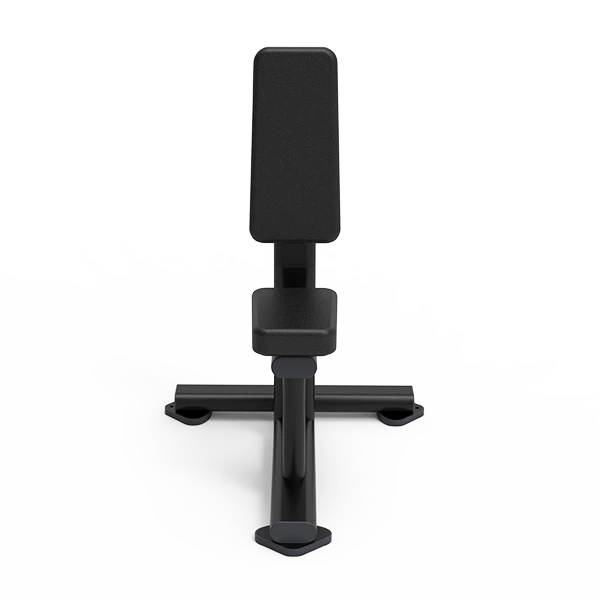
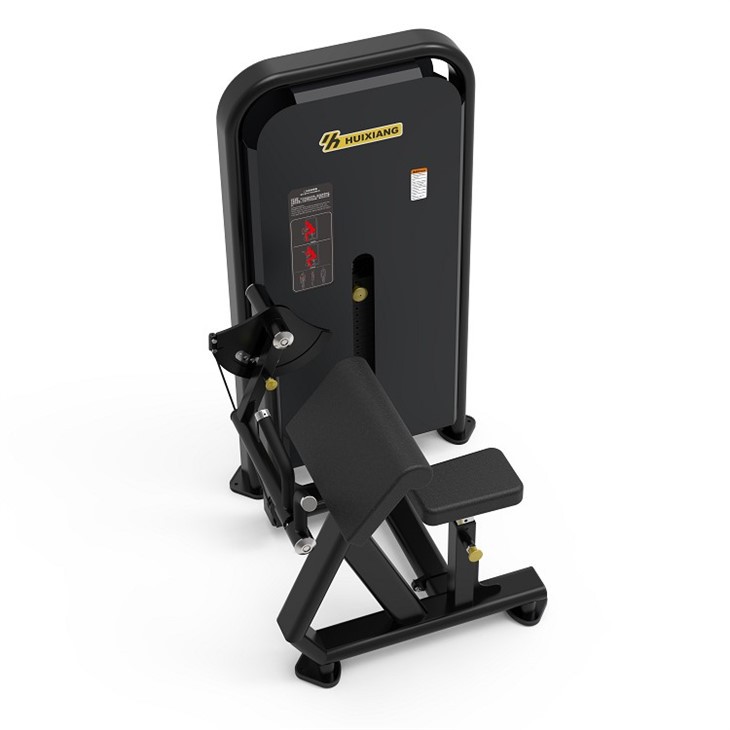
Now, let's talk about the equipment. As a supplier of workout equipment, I've got some great products that can help you train your biceps effectively. One of our top - selling products is the Workout Biceps Trainer. This trainer is designed to provide a variety of bicep exercises with adjustable resistance. It's perfect for both beginners and advanced lifters.
If you're looking to add some variety to your workout, you might also be interested in our Gym Use Shoulder Press Bench. This bench can be used for shoulder presses, which also work your biceps indirectly. And for those who want a full - body workout, our Gym Strength Cable Crossover Trainer is a great option. It allows you to perform a wide range of exercises, including some that target the biceps.
In conclusion, while it might be tempting to train your biceps every day, it's not the best approach for long - term muscle growth. Remember, rest is just as important as the workout itself. By giving your biceps enough time to recover and using the right equipment, you'll be on your way to achieving those impressive biceps.
If you're interested in purchasing any of our workout equipment, don't hesitate to reach out. We're here to help you take your fitness to the next level. Whether you're a gym owner looking to stock up on high - quality equipment or an individual looking for the perfect home gym setup, we've got you covered.
References
- "Essentials of Strength Training and Conditioning" by Thomas R. Baechle and Roger W. Earle
- "Science and Development of Muscle Hypertrophy" by Brad Schoenfeld