

Can cardio equipment be used for plyometric training?
Oct 13, 2025
Leave a message
Hey there, fitness enthusiasts! As a supplier of cardio equipment, I often get asked all sorts of questions about how to make the most of the gear I offer. One question that's been popping up a lot lately is, "Can cardio equipment be used for plyometric training?" Well, let's dive right into it and find out!
First off, let's quickly go over what plyometric training is. Plyometrics, also known as "jump training," involve explosive movements that help build power, speed, and strength. Think of things like box jumps, bounding, and medicine ball throws. These exercises are great for athletes looking to improve their performance or for anyone wanting to take their fitness to the next level.
Now, onto the main question. Can you use cardio equipment for plyometric training? The short answer is, it depends on the equipment.
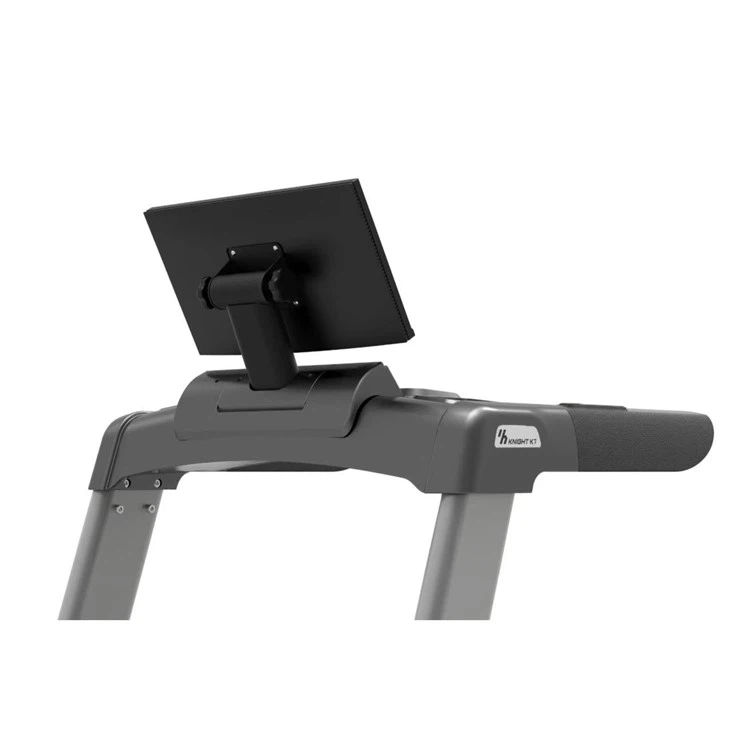
Let's start with the treadmill. Treadmills are a staple in most gyms, and they're super versatile. You're probably thinking, "A treadmill is for running or walking, how can it be used for plyometrics?" Well, here's the deal. Some advanced treadmills, like our 22-Inch TV Screen Intelligent Treadmill, have features that can support plyometric - like movements.
This treadmill has a sturdy deck and a powerful motor that can handle sudden, explosive movements. You can do short bursts of high - intensity sprints, which are similar to the explosive nature of plyometric exercises. For example, you can set the treadmill to a high speed and do 10 - second sprints followed by 30 - second rest periods. This kind of interval training mimics the power and speed development that plyometric training aims for.
Another way to use the treadmill for plyometric - like training is by incorporating incline sprints. You can increase the incline to a steep level and then sprint up the "hill" on the treadmill. This not only works your leg muscles but also challenges your cardiovascular system, just like plyometric exercises do.
Next up, the elliptical trainer. Ellipticals are known for providing a low - impact cardio workout, but they can also be adapted for plyometric training. Some ellipticals have adjustable resistance levels and a smooth gliding motion that allows you to add more intensity.
You can increase the resistance to a high level and then pedal as fast as you can for short intervals. This rapid, forceful pedaling mimics the explosive contractions of plyometric movements. It works your leg muscles, including your quadriceps, hamstrings, and calves, in a way that is similar to plyometric jumps.
The stationary bike is also a piece of cardio equipment that can be used for plyometric - style training. With a good quality stationary bike, you can do high - intensity interval training (HIIT). You can set the resistance to a high level and then pedal as hard and fast as you can for 20 - 30 seconds, followed by a minute or two of easy pedaling. This kind of short, intense effort on the bike helps build power in your legs, much like plyometric exercises.
Now, let's talk about some considerations when using cardio equipment for plyometric training. Safety is always the number one priority. Make sure the equipment is in good working condition and that you're using it correctly. For example, when doing sprints on the treadmill, hold onto the handrails if you need to for balance, especially when starting out.
Also, it's important to warm up properly before starting any plyometric - like training on cardio equipment. A 5 - 10 minute warm - up of light jogging on the treadmill or slow pedaling on the bike can help prepare your muscles and joints for the more intense movements.
Another thing to keep in mind is that while cardio equipment can mimic some aspects of plyometric training, it may not fully replace traditional plyometric exercises. Traditional plyometric exercises often involve more dynamic, full - body movements that engage multiple muscle groups in a way that may be hard to replicate on cardio equipment alone.
For example, a box jump is a classic plyometric exercise that requires you to jump up onto a box from a standing position. This movement engages your entire lower body, including your hips, knees, and ankles, as well as your core for balance. While you can work on leg power on cardio equipment, the full - body engagement of a box jump is unique.
However, using cardio equipment for plyometric - like training can be a great addition to your fitness routine, especially if you have limited space or if you're recovering from an injury and need a lower - impact option.
Let's not forget about other pieces of equipment in our range. Our Multifunctional Dumbbell Bench can also be used in combination with cardio equipment for a more comprehensive workout. You can do some light dumbbell exercises in between your intervals on the treadmill or bike. This helps work your upper body while also keeping your heart rate up.
In conclusion, cardio equipment can definitely be used for plyometric training to a certain extent. Treadmills, ellipticals, and stationary bikes can all be adapted to provide explosive, high - intensity workouts that mimic the benefits of plyometric exercises. Whether you're an athlete looking to improve your performance or just someone who wants to spice up their fitness routine, incorporating plyometric - like training on cardio equipment can be a great idea.
If you're interested in exploring the possibilities of using our cardio equipment for plyometric training or have any questions about our products, I'd love to hear from you. We're always here to help you find the right equipment for your fitness goals. Whether you're a gym owner looking to stock up on the latest gear or an individual looking to set up a home gym, we've got you covered. Reach out to us to start a conversation about your equipment needs and let's see how we can take your fitness to new heights!
References

- "Essentials of Strength Training and Conditioning" by Thomas R. Baechle and Roger W. Earle
- "Plyometric Training: A Complete Guide" by Fred Wilt