

Can I transport an upright bike easily?
Jun 03, 2025
Leave a message
Can I transport an upright bike easily?
Hey there! I'm a supplier of Upright And Recumbent Bikes, and I get this question a lot: "Can I transport an upright bike easily?" Well, let's dive right into it and break it down.
First off, the ease of transporting an upright bike depends on a few key factors. One of the most obvious ones is the size and weight of the bike. Upright bikes come in all shapes and sizes. Some are designed for home use and are relatively lightweight and compact, while others are full - fledged commercial models that are built like tanks and can be quite hefty.
If you're looking at a Home Use Fitness Exercise Bike, chances are you're in luck. These bikes are usually designed with the idea of being user - friendly, not just in terms of use but also in terms of storage and transportation. They're often made with lighter materials and have a more streamlined design. You can usually disassemble them into a few major parts without too much hassle. For example, the handlebars, pedals, and sometimes the seat can be removed quite easily. Once disassembled, these parts can fit into a car trunk or the back of a small van without taking up too much space.
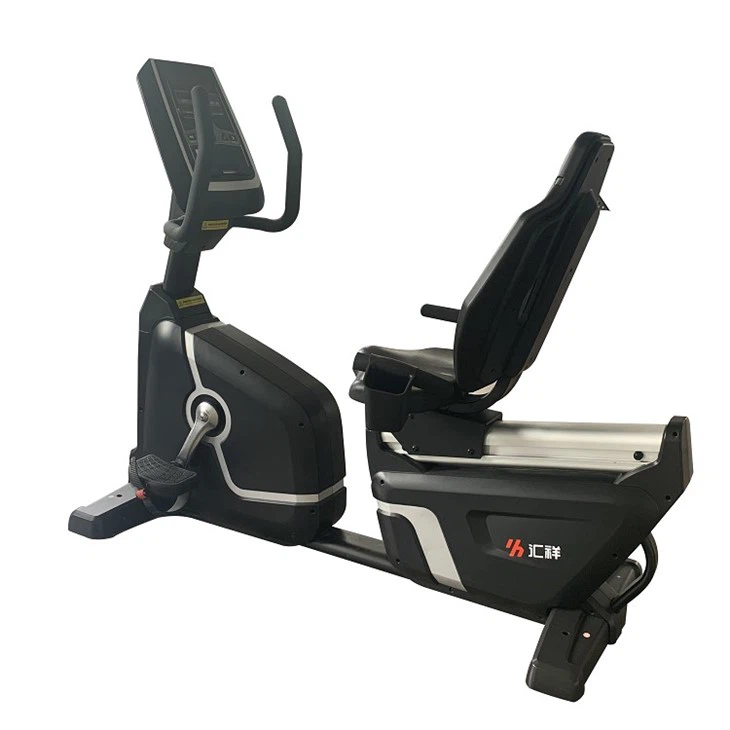
On the other hand, a Full Commercial Recumbent Bike is a different story. These are built to withstand heavy - duty use in commercial gyms and fitness centers. They're typically larger and heavier, with more robust frames and advanced features. Transporting a commercial upright bike can be a real challenge. You might need a larger vehicle, like a truck or a large van, to accommodate it. And disassembling it is not always straightforward. It often requires special tools and some technical know - how. You may have to deal with complex wiring for the built - in monitors and other electronic components.
Another thing to consider is the distance of transportation. If you're just moving the bike from one room in your house to another, it doesn't matter if it's a home or commercial model; it should be relatively easy. You can just lift it up and carry it. But if you're transporting it across town or even further, you need to think about proper packing and securing.
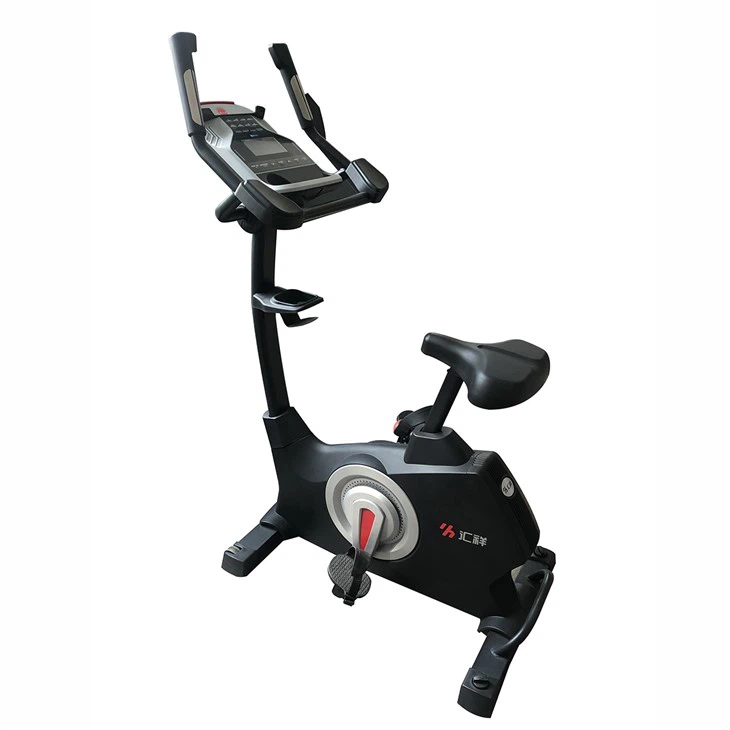
For short - distance transportation, like moving it to a friend's house down the street, you can use a simple bike carrier for your car. There are different types of carriers available in the market. Some attach to the trunk of your car, while others can be mounted on the roof. Make sure to choose one that is compatible with the size and weight of your upright bike.
When it comes to long - distance transportation, especially if you're shipping the bike, you'll need to take extra precautions. First, you'll want to disassemble the bike as much as possible. Then, wrap each part in protective material, like bubble wrap or foam. Place the parts in a sturdy box and fill any empty spaces with packing peanuts or other cushioning materials to prevent the parts from shifting during transit.
Now, let's talk about the tools you might need for disassembling an upright bike. For most home - use bikes, a basic set of Allen wrenches and a screwdriver should be enough. These tools are usually included in the bike's assembly kit. For commercial bikes, you may need more specialized tools, such as socket wrenches and torque wrenches. It's always a good idea to refer to the bike's user manual for the specific tools and disassembly instructions.
If you're not comfortable disassembling the bike yourself, you can always hire a professional. There are companies that specialize in moving fitness equipment. They have the experience and the right tools to handle the job safely and efficiently. However, this will add to the cost of transportation.
I also want to mention Home Recumbent Workout Bike. These bikes, while different in design from upright bikes, also have their own transportation considerations. They're generally wider and longer than upright bikes, but they can also be disassembled to some extent. The process is similar to that of an upright bike, but you need to be careful with the unique frame and seat design.
In conclusion, whether you can transport an upright bike easily depends on the type of bike, the distance of transportation, and your own skills and resources. Home - use upright bikes are usually much easier to transport compared to commercial ones. With the right tools, a bit of know - how, and some planning, you can move your upright bike without too much stress.
If you're in the market for an upright or recumbent bike, or if you have any questions about transportation or our products, feel free to reach out. We're here to help you make the best choice for your fitness needs. Whether you're a home user looking for a simple exercise solution or a gym owner in need of high - quality commercial equipment, we've got you covered. Contact us to start the procurement discussion and find the perfect bike for you.
References
- General knowledge about fitness equipment transportation
- User manuals of various upright and recumbent bikes