

Can I use a rower if I have a chest injury?
Oct 31, 2025
Leave a message
Can I use a rower if I have a chest injury?
As a supplier of high - quality rowers, I often get asked a variety of questions from customers. One that frequently comes up is whether it's safe to use a rower when you have a chest injury. In this blog, I'll delve into this topic, providing a comprehensive and scientifically - based answer.
First, it's essential to understand the nature of a chest injury. Chest injuries can range from minor muscle strains to more severe conditions like rib fractures, sternum fractures, or even internal organ damage. The type and severity of the injury will play a crucial role in determining whether using a rower is a viable option.
Minor Chest Muscle Strains
A minor chest muscle strain, such as a mild pull in the pectoralis major or minor, is a relatively common injury. In the initial stages of a minor strain, using a rower is generally not recommended. When you row, the pectoral muscles are actively involved in the pulling phase of the stroke. Contracting these already - injured muscles can exacerbate the damage, increase pain, and delay the healing process.
Typically, during the first 24 - 72 hours after a minor strain, the RICE method (Rest, Ice, Compression, and Elevation) is advised. Rest means avoiding any activity that puts stress on the injured muscle. Ice helps reduce swelling and pain, compression can limit the extent of swelling, and elevation (if applicable) can also aid in reducing fluid buildup.
Once the acute phase has passed, and the pain and swelling have significantly subsided, you may gradually introduce light rowing. Start with very low resistance on the rower. For example, on our Commercial Magnetic Air Rower, you can set the resistance to the lowest level. This allows you to move the rower without over - stressing the chest muscles. Begin with short sessions of 5 - 10 minutes and gradually increase the duration and intensity as your chest muscles recover.
Rib Fractures
Rib fractures are more serious than minor muscle strains. When you have a rib fracture, using a rower is a definite no - go until the fracture has healed. The act of rowing involves a significant amount of movement and force in the torso area. The expansion and contraction of the chest during breathing, combined with the pulling and pushing motions of rowing, can cause the broken ribs to shift, which is extremely painful and can lead to further damage, such as puncturing a lung or causing internal bleeding.
The healing time for a rib fracture can vary depending on the location and severity of the fracture. Generally, it takes about 6 - 8 weeks for a simple rib fracture to heal. During this time, you should focus on rest and following your doctor's advice, which may include pain management and breathing exercises to prevent complications like pneumonia.
After the fracture has healed, you should still approach rowing with caution. Start with very light, low - impact rowing. Our Home Fitness Innovative Air Rower can be a good choice as it provides a smooth and adjustable rowing experience. Begin with short, slow sessions and gradually build up your strength and endurance.
Sternum Fractures
Sternum fractures are relatively rare but can be quite serious. Similar to rib fractures, using a rower is not advisable until the sternum has fully healed. The sternum is a central bone in the chest, and any movement that puts stress on it can impede the healing process.
Healing time for a sternum fracture can be longer, often around 8 - 12 weeks. Once the doctor gives the all - clear, you can start to re - introduce rowing. However, it's crucial to start with extremely light resistance and slow movements. Our Luxury Home Magnetic Rower offers precise resistance control, allowing you to fine - tune the intensity according to your recovery progress.
Internal Organ Damage
If there is internal organ damage in the chest area, such as a damaged lung or heart, using a rower is completely out of the question. Internal organ damage is a medical emergency that requires immediate and intensive medical treatment. Even after the initial treatment and during the recovery phase, you should follow your doctor's strict instructions.
In most cases, it will be a long and gradual process to return to normal physical activity. Rowing may not be recommended for an extended period, and when you do start, it will be under the close supervision of a medical professional.
General Precautions
Before using a rower after a chest injury, it's always a good idea to consult with a doctor or a physical therapist. They can assess the extent of your injury, provide personalized advice, and give you a clear timeline for when it's safe to start rowing.
When you do start rowing, pay close attention to your body. If you experience any pain, discomfort, or shortness of breath, stop immediately. It may be a sign that you're pushing too hard, and you need to adjust your approach.
In conclusion, whether you can use a rower with a chest injury depends on the type and severity of the injury. Minor muscle strains may allow for a gradual return to rowing after the acute phase, while more serious injuries like rib fractures, sternum fractures, or internal organ damage require a much longer recovery period and careful re - introduction to rowing.
If you're in the market for a high - quality rower, we offer a range of products to suit different needs and budgets. Our rowers are designed with advanced features to provide a smooth and effective workout experience. Whether you're a professional athlete or a home fitness enthusiast, we have the right rower for you.
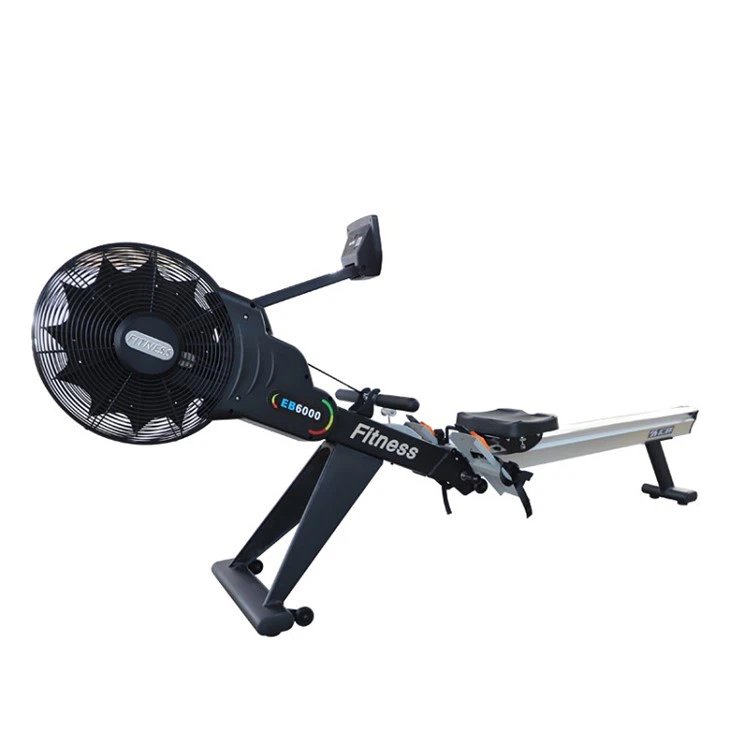
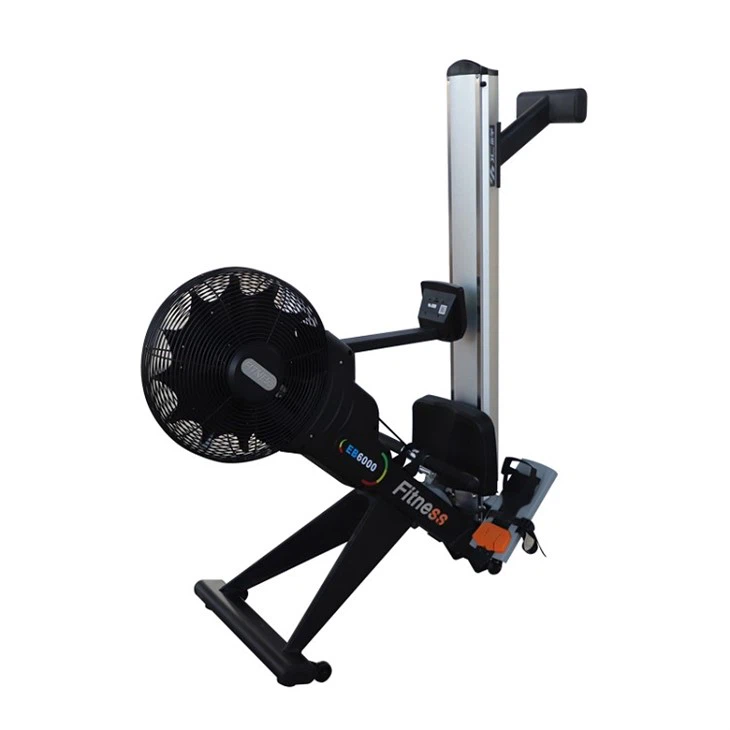
If you're interested in learning more about our rowers or have any questions regarding your specific situation, feel free to reach out to us. We're here to help you make an informed decision and get the most out of your fitness journey.
References
- American Academy of Orthopaedic Surgeons. (2023). Muscle Strains. Retrieved from [Website of AAOS]
- Mayo Clinic. (2023). Rib Fracture. Retrieved from [Website of Mayo Clinic]
- Cleveland Clinic. (2023). Sternum Fracture. Retrieved from [Website of Cleveland Clinic]