

Do recumbent bikes require a lot of floor space?
Jan 16, 2026
Leave a message
When it comes to choosing a fitness bike, one of the key considerations for many people is the amount of floor space the bike requires. This is especially important for those with limited living or workout areas, such as apartment dwellers or individuals setting up a home gym on a budget. As a supplier of upright and recumbent bikes, I often get asked the question: "Do recumbent bikes require a lot of floor space?" In this blog post, I'll explore this question in detail, comparing recumbent bikes to upright bikes in terms of space requirements, and discussing the factors that can affect the space needed for a recumbent bike.
Understanding Recumbent Bikes
Before we dive into the space requirements, let's first understand what a recumbent bike is. A recumbent bike is a type of exercise bike where the rider sits in a reclined position with their legs extended in front. This design offers several benefits, including a more comfortable riding position, reduced stress on the back and joints, and a more efficient workout for some individuals. Recumbent bikes are available in various models, ranging from basic home - use bikes to high - end full - commercial models.
Comparing Recumbent and Upright Bikes in Terms of Space
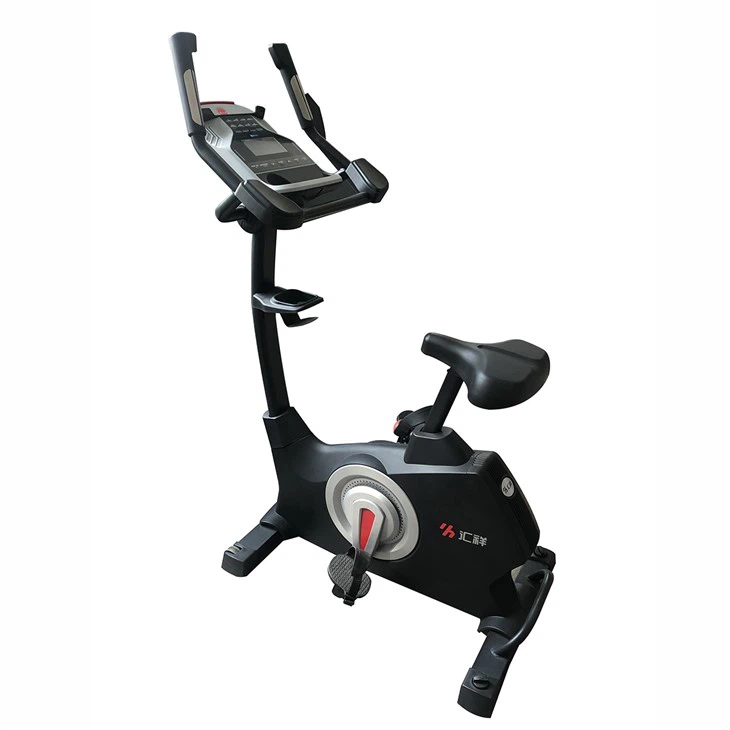
Upright bikes are designed to mimic the position of a traditional bicycle, with the rider sitting upright and pedaling. They typically have a more compact footprint compared to recumbent bikes. Upright bikes usually require a space of about 2 feet by 3 feet (0.6 meters by 0.9 meters). This relatively small space makes them a popular choice for those with limited room.
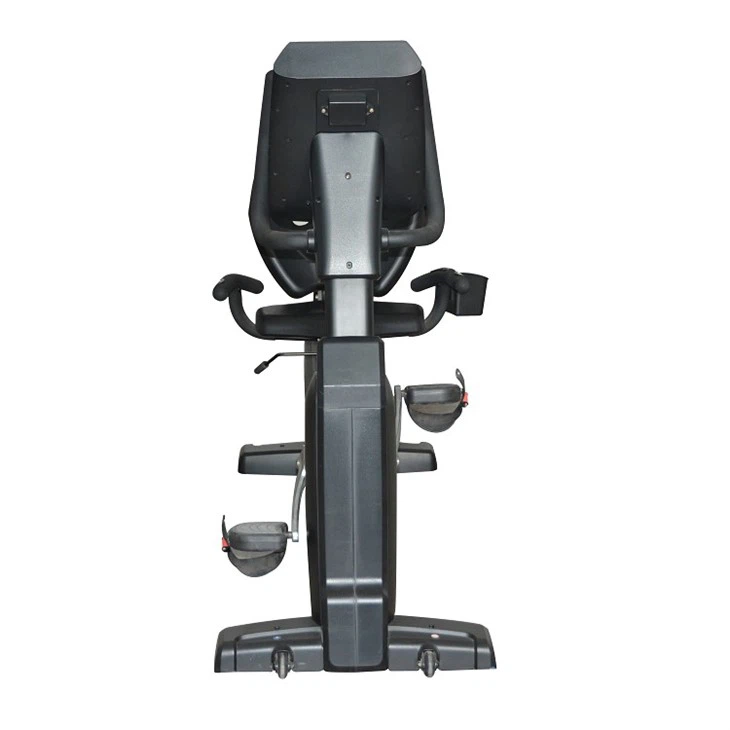
On the other hand, recumbent bikes generally need more floor space. The reclined position of the rider means that the bike itself is longer. A typical home - use recumbent bike may require a space of around 3 feet by 5 feet (0.9 meters by 1.5 meters). The extra length is due to the extended leg position and the need to provide a stable base for the reclined seat.
However, it's important to note that these are just general estimates. The actual space requirements can vary depending on the specific model of the bike. Some recumbent bikes are designed to be more space - efficient, while others, especially commercial - grade models, may be larger and require more room.
Factors Affecting the Space Requirements of Recumbent Bikes
1. Bike Design
The design of the recumbent bike plays a significant role in its space requirements. Some recumbent bikes have a more streamlined design, with a shorter overall length. These bikes are often targeted at home users who have limited space. For example, some Home Recumbent Workout Bike models are designed to be as compact as possible without sacrificing the comfort and functionality of a recumbent bike.
On the other hand, full - commercial recumbent bikes are built to withstand heavy use in a gym or fitness center environment. These bikes usually have a larger frame, more advanced features, and a more spacious seat. As a result, they require more floor space. You can find a range of such models at Full Commercial Recumbent Bike.
2. Adjustability
Many recumbent bikes come with adjustable features, such as seat position and pedal distance. Bikes with more adjustability may require more space when fully extended. For instance, if a bike allows for a wide range of seat adjustments to accommodate different user heights, it may need more floor space to ensure that the seat can be moved back and forth without hitting any obstacles.
3. Additional Features
Some recumbent bikes come with additional features like built - in entertainment systems, large LCD screens, or multiple resistance levels. These features often require more space for installation and operation. For example, a bike with a large entertainment console may need extra space around it to ensure that the user can comfortably view the screen while riding.
Making the Most of Limited Space
If you have limited floor space but still want to use a recumbent bike, there are several strategies you can employ.
1. Choose a Compact Model
Look for recumbent bikes that are specifically designed to be space - efficient. There are many Home Use Fitness Exercise Bike options available that offer a good balance between space requirements and functionality. These bikes are typically smaller in size but still provide a comfortable and effective workout.
2. Consider the Placement
Think carefully about where you will place the recumbent bike. You can place it in a corner of a room, which can help save space. Make sure there is enough clearance around the bike for easy access and operation. Avoid placing it near furniture or other objects that may restrict the movement of the bike or the user.
3. Wall - Mountable Options
Some recumbent bikes come with the option to be wall - mounted. This can be a great solution for those with extremely limited floor space. When not in use, the bike can be lifted up and mounted on the wall, freeing up the floor area.
Conclusion
In conclusion, recumbent bikes generally require more floor space than upright bikes. However, the actual space requirements can vary widely depending on the bike's design, adjustability, and additional features. There are many space - efficient recumbent bike models available, especially for home use.
If you're in the market for a recumbent bike and have concerns about floor space, don't hesitate to reach out to us. As a supplier of upright and recumbent bikes, we have a wide range of products to suit different space requirements and budgets. Whether you need a compact home - use bike or a full - commercial model, we can help you find the right fit. Contact us to start the procurement process and discuss your specific needs.
References
- Fitness Equipment Buying Guides, various industry publications
- Manufacturer specifications for upright and recumbent bikes