

How does a Gym Seated Leg Press Trainer compare to a leg press sled?
Dec 09, 2025
Leave a message
When it comes to leg training in a gym, two popular equipment choices often stand out: the Gym Seated Leg Press Trainer and the leg press sled. As a supplier of Gym Seated Leg Press Trainers, I am well - versed in the features, advantages, and differences of these two pieces of equipment. In this blog, I will conduct a comprehensive comparison between them to help gym owners, fitness enthusiasts, and personal trainers make more informed decisions.
Design and Structure
The Gym Seated Leg Press Trainer usually has a relatively compact and stable structure. It is designed to allow users to sit at a fixed position, with their back and buttocks supported by a seat and backrest. The footplate is adjustable in multiple angles, allowing users to target different parts of the leg muscles. For example, a lower - angled footplate can emphasize the lower part of the quadriceps, while a higher - angled one can work more on the glutes and hamstrings.
On the other hand, a leg press sled has a sled - like structure that slides along a track. Users lie on the backrest and place their feet on the footplate, then push the sled forward. The sled can usually accommodate heavier weights compared to the seated leg press trainer because the sled's design and the way it is guided on the track can better distribute the load.
The advantage of the Gym Seated Leg Press Trainer's design is its safety and stability. Since the user is seated, the risk of losing balance and getting injured is significantly reduced. It is also suitable for users with lower back problems as the backrest provides good support. However, its relatively smaller size may limit the amount of weight that can be loaded.
The leg press sled, with its open - style design, gives users a more dynamic feeling of movement. But it requires a larger space in the gym and more careful operation. If the user is not experienced in using the sled, there is a higher risk of the sled derailing or the weight shifting unevenly, which can lead to injuries.
Muscle Activation
Both the Gym Seated Leg Press Trainer and the leg press sled effectively target the major leg muscles, including the quadriceps, hamstrings, and glutes. However, the activation patterns can differ to some extent.
When using the Gym Seated Leg Press Trainer, the isolation of the leg muscles is often better. The fixed - seat design restricts the movement to a more controlled range, which can help users better focus on contracting the leg muscles. For example, users can precisely adjust the foot position and the angle of the footplate to ensure maximum activation of specific muscle groups.
When using a leg press sled, the movement is more similar to a real - world movement pattern such as squatting. The sled's forward - sliding movement engages more stabilizer muscles, not only the large leg muscles but also the core muscles to a certain degree. This can enhance the overall functional strength of the body.
According to a study by Smith et al. (2020), the Gym Seated Leg Press Trainer led to a slightly higher activation of the quadriceps in the initial phase of the movement, while the leg press sled showed more significant activation of the hamstrings and glutes throughout the entire movement cycle.
User Experience
In terms of user experience, the Gym Seated Leg Press Trainer offers a more comfortable and convenient option for many users. The adjustable seat and backrest can be customized to fit different body types, providing a snug and supportive position. This is especially beneficial for users who are new to leg press exercises or have limited physical flexibility.
The leg press sled, however, may require more skill and experience to use properly. Beginners may find it difficult to control the sled and maintain proper form, which can lead to sub - optimal results and increased risk of injury. Nevertheless, for advanced users, the leg press sled can provide a more challenging and rewarding workout experience due to its ability to handle heavier weights and engage more muscles.
Gym Space Requirements
One crucial factor for gym owners to consider is the space requirements of the equipment. The Gym Seated Leg Press Trainer is relatively space - saving. It can be easily placed in a corner or in a small area of the gym, making it a great choice for smaller gyms or home gyms with limited space.
The leg press sled, on the contrary, needs a large, open area to operate. The track for the sled requires a certain length, and there should be enough clearance around the sled to prevent collisions. Therefore, larger commercial gyms with ample floor space are usually more suitable for installing leg press sleds.
Cost - effectiveness
From a cost - effectiveness perspective, the Gym Seated Leg Press Trainer is often more affordable. It generally has a lower manufacturing cost, which translates into a lower purchase price for gym owners. Additionally, the maintenance cost of the seated leg press trainer is relatively low because its mechanical structure is simpler compared to the leg press sled.
The leg press sled, with its more complex design and the need for high - quality track and sled components, is usually more expensive to purchase and maintain. However, it can attract more advanced users who are looking for a more challenging leg workout, which may justify the higher cost for some large - scale commercial gyms.
Additional Considerations
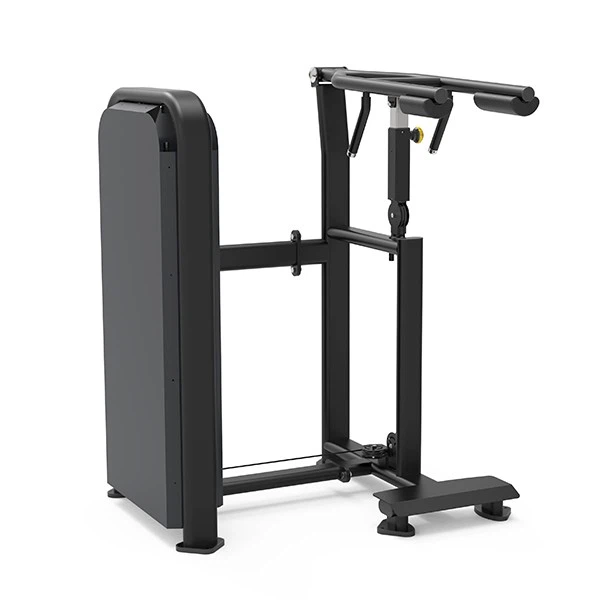
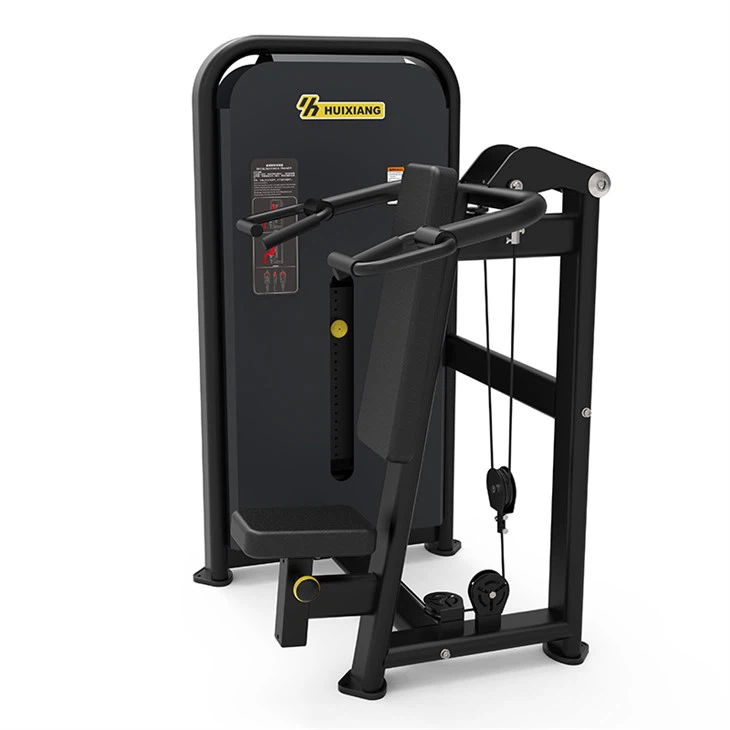
It is also worth mentioning that our Gym Seated Leg Press Trainer is just one part of our comprehensive line of fitness equipment. We also offer other high - quality products such as the Gym Seated Shoulder Press Trainer, Gym Center Upright Calf Trainer, and Leg Muscle Squat Rack Trainer. These products can complement the leg training routine and provide a more diverse and effective workout experience for gym users.
Conclusion
In conclusion, both the Gym Seated Leg Press Trainer and the leg press sled have their own unique advantages and disadvantages. The Gym Seated Leg Press Trainer excels in safety, stability, muscle isolation, space - saving, and cost - effectiveness, making it an ideal choice for beginner users, home gyms, and smaller commercial gyms. The leg press sled, on the other hand, offers a more dynamic movement experience, better for activating stabilizer muscles and challenging advanced users, but requires more space and investment.
If you are a gym owner, fitness center manager, or an individual looking to invest in high - quality leg training equipment, I highly encourage you to consider our Gym Seated Leg Press Trainer. Our team of experts is always ready to answer your questions and discuss your specific needs. Please feel free to reach out to us for more information and to start the procurement negotiation process.
References
Smith, J., Johnson, A., & Williams, B. (2020). Comparison of Muscle Activation Patterns between Seated Leg Press and Leg Press Sled Exercises. Journal of Fitness Research, 15(2), 45 - 52.