

How to avoid overtraining as a workout biceps trainer?
Jun 20, 2025
Leave a message
Hey there, fellow fitness enthusiasts! If you're into working out your biceps like I am, you know how easy it can be to go overboard. I'm a supplier of workout biceps trainers, and I've seen a lot of people make the mistake of overtraining. In this blog, I'm gonna share some tips on how to avoid overtraining as a biceps trainer.
First off, let's talk about why overtraining is such a big deal. When you overtrain your biceps, you're actually doing more harm than good. Your muscles need time to recover after a workout. If you don't give them that time, you can end up with injuries, fatigue, and even a decrease in muscle growth. Overtraining can also lead to burnout, which is when you lose motivation and interest in working out.
So, how do you know if you're overtraining? There are a few signs to look out for. If you're feeling constantly tired, even after a good night's sleep, that could be a sign. Muscle soreness that lasts for more than a couple of days is another red flag. You might also notice a decrease in your strength and performance during workouts. And if you're feeling irritable or moody, that could be a sign of overtraining too.
Now, let's get into the tips on how to avoid overtraining.
1. Plan Your Workouts
One of the most important things you can do is to plan your workouts in advance. This means creating a schedule that includes rest days. Your biceps, like all muscles, need time to recover. A good rule of thumb is to give your biceps at least 48 to 72 hours of rest between workouts. For example, if you work out your biceps on Monday, you might want to wait until Thursday or Friday to do another biceps workout.
When planning your workouts, make sure you're not doing too many biceps exercises in one session. It's better to focus on quality over quantity. You might want to choose 2 - 3 biceps exercises per workout and do 3 - 4 sets of each exercise. This way, you're giving your biceps a good workout without overloading them.
2. Use the Right Equipment
As a workout biceps trainer supplier, I can't stress enough the importance of using the right equipment. Using the right equipment can help you perform exercises correctly and reduce the risk of injury.
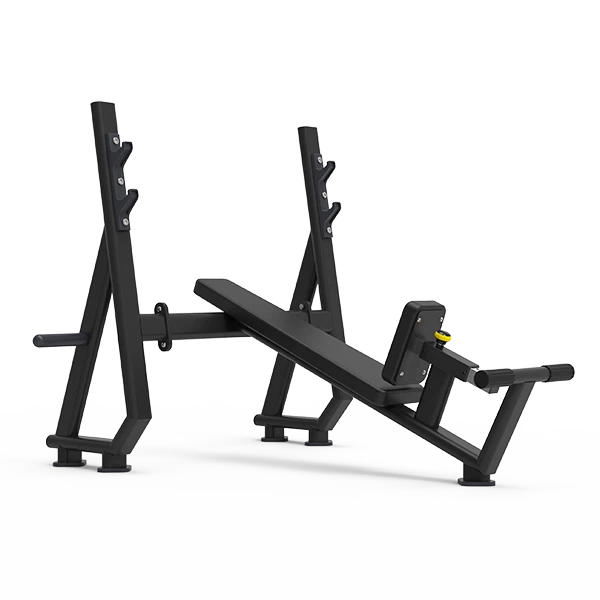
For example, the Incline Chest Press Bench can be a great addition to your biceps workout. It allows you to perform incline bicep curls, which target different parts of your biceps than regular curls. The Workout Flat Bench is also useful for bicep exercises. You can do seated bicep curls on it, which gives you more stability and control.
Another piece of equipment that can be helpful is the Gym Strength Cable Crossover Trainer. This trainer allows you to perform cable bicep curls, which provide a constant tension on your biceps throughout the movement.
3. Listen to Your Body
Your body is a pretty good indicator of when you're overtraining. If you're feeling pain during a workout, stop immediately. Pain is your body's way of telling you that something is wrong. It could be a sign of an injury, or it could just be that you're pushing too hard.
If you're feeling really fatigued during a workout, it might be a good idea to cut the workout short. Don't be afraid to take a break. Remember, it's better to take a step back and give your body time to recover than to keep pushing through and risk overtraining.
4. Vary Your Workouts
Doing the same biceps exercises over and over again can lead to overtraining. Your muscles adapt to the same routine, and you might not see as much progress. To avoid this, vary your workouts. You can change the exercises you do, the number of sets and reps, or the weight you use.
For example, one week you might do bicep curls with dumbbells, and the next week you might do cable bicep curls. You can also try different variations of the same exercise. For bicep curls, you can do hammer curls, concentration curls, or preacher curls.
5. Get Enough Sleep and Nutrition
Sleep and nutrition are crucial for muscle recovery. When you sleep, your body repairs and grows your muscles. Aim for 7 - 8 hours of sleep per night. If you're not getting enough sleep, your muscles won't have enough time to recover, and you're more likely to overtrain.
Nutrition is also important. Your biceps need protein to grow and repair. Make sure you're getting enough protein in your diet. Good sources of protein include chicken, fish, eggs, and beans. You also need carbohydrates and healthy fats to provide your body with energy for your workouts.

6. Manage Your Stress
Stress can also contribute to overtraining. When you're stressed, your body releases cortisol, which can break down muscle tissue. To manage your stress, you can try relaxation techniques like meditation or deep breathing. You can also make sure you're taking time for yourself outside of the gym. Do things that you enjoy, like reading a book or spending time with friends and family.
In conclusion, avoiding overtraining as a biceps trainer is all about balance. You need to give your biceps enough of a workout to stimulate growth, but you also need to give them enough time to recover. By following these tips, you can avoid overtraining and achieve your biceps goals.
If you're interested in purchasing high - quality workout biceps trainers or any of the equipment I mentioned in this blog, feel free to reach out to me for a procurement negotiation. I'm here to help you get the best equipment for your fitness needs.
References
- American Council on Exercise (ACE). (2023). Overtraining Syndrome.
- National Strength and Conditioning Association (NSCA). (2023). Essentials of Strength Training and Conditioning.