

How to deal with biceps fatigue as a workout biceps trainer?
Apr 27, 2026
Leave a message
As a dedicated workout biceps trainer supplier, I've witnessed firsthand the challenges that fitness enthusiasts face, especially when it comes to biceps fatigue. Biceps fatigue is not just a minor inconvenience; it can significantly impact your workout routine, performance, and overall progress in the gym. In this blog, I'll share some effective strategies to help you deal with biceps fatigue, ensuring that you can make the most out of your bicep training sessions.
Understanding Biceps Fatigue
Before we dive into the solutions, it's crucial to understand what causes biceps fatigue. When you perform bicep exercises, your muscle fibers contract and relax repeatedly. Over time, these contractions lead to the accumulation of metabolic by - products such as lactic acid. As lactic acid builds up, it can interfere with the muscle's ability to contract efficiently, causing fatigue. Additionally, muscle glycogen, the stored form of carbohydrates in your muscles, gets depleted during intense workouts. Once glycogen levels are low, your muscles have less energy to continue working, resulting in fatigue.
Proper Warm - Up
A proper warm - up is one of the most effective ways to prevent and reduce biceps fatigue. A good warm - up gradually increases your body temperature, blood flow to the muscles, and joint mobility. This prepares your biceps for the upcoming stress of a workout. I recommend starting with 5 - 10 minutes of light cardiovascular exercise, such as jogging in place or using a stationary bike. After that, perform some dynamic stretching exercises for your biceps. For example, you can do arm circles in both clockwise and counter - clockwise directions, which help to loosen up the bicep muscles.
Appropriate Exercise Selection
Choosing the right bicep exercises is essential in managing fatigue. There are different types of bicep exercises, each with its own intensity level. Compound exercises, which involve multiple muscle groups, can be more fatiguing but also build overall strength better. For instance, the Gym Chin - Up Bench allows you to perform chin - ups, a compound exercise that works not only your biceps but also your back and shoulders. If you're experiencing high levels of biceps fatigue, you might want to balance compound exercises with isolation exercises like bicep curls.
Progressive Overload with Caution
Progressive overload is a fundamental principle in strength training. It involves gradually increasing the intensity of your workouts over time to stimulate muscle growth. However, if you increase the intensity too quickly, it can lead to excessive biceps fatigue. Instead of ramping up the weight or reps drastically, make small, incremental changes. For example, if you've been doing 3 sets of 10 bicep curls with a 10 - pound dumbbell, next week you can try 3 sets of 11 curls with the same 10 - pound dumbbell or 3 sets of 10 curls with an 11 - pound dumbbell.
Adequate Rest and Recovery
Rest is just as important as exercise when it comes to dealing with biceps fatigue. Your muscles need time to repair and grow after a workout. Make sure to get enough sleep, as this is when your body repairs damaged muscle fibers and replenishes glycogen stores. Aim for 7 - 9 hours of quality sleep per night. Additionally, give your biceps sufficient rest between workouts. Training your biceps every day is not a good idea. A good rule of thumb is to wait 48 - 72 hours before working your biceps again.

Nutrition and Hydration
Proper nutrition and hydration play a vital role in reducing biceps fatigue. Consume a balanced diet rich in carbohydrates, proteins, and healthy fats. Carbohydrates are your body's primary source of energy, so make sure to have enough of them before and after your workouts. Protein is essential for muscle repair and growth. Good sources of protein include chicken, fish, eggs, and beans. Hydration is also crucial. Dehydration can lead to decreased muscle function and increased fatigue. Drink plenty of water throughout the day, especially during and after your workouts.
Use of Assisted Equipment
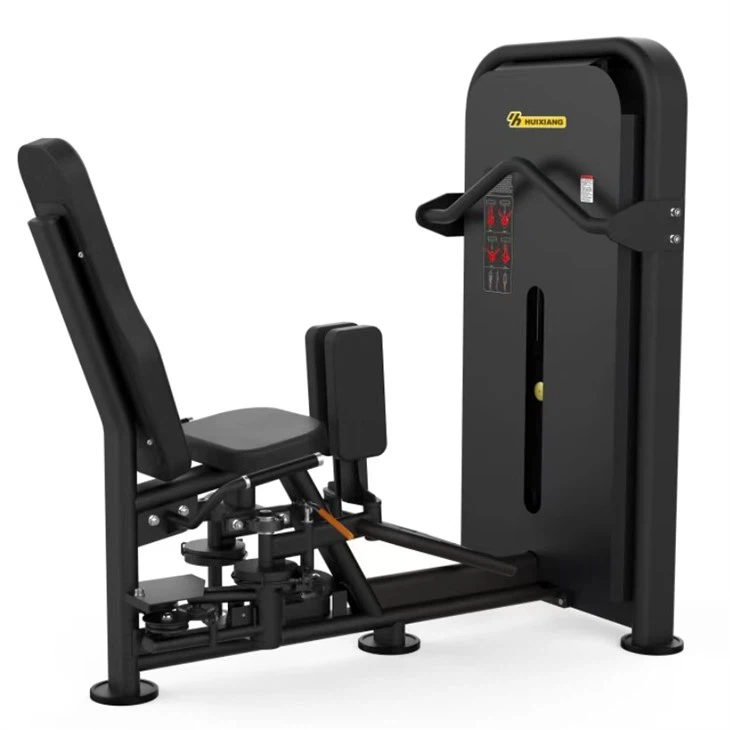
In some cases, using assisted equipment can help reduce biceps fatigue and allow you to continue your workout. For example, the Incline Chest Press Bench can be used in combination with bicep exercises. When you perform an incline chest press, it distributes the workload across different muscle groups, taking some of the pressure off your biceps. Another great piece of equipment is the Abductor And Adductor Trainer. While it primarily targets the thighs, it can also help with overall body balance and stability, which in turn can reduce the strain on your biceps during workouts.
Monitoring Your Body
Pay close attention to how your body feels during and after workouts. If you notice persistent biceps fatigue that doesn't improve with rest and other strategies, it could be a sign of overtraining or an underlying injury. In such cases, it's important to consult a fitness professional or a doctor. They can provide a proper diagnosis and recommend appropriate treatment.
Stretching and Foam Rolling
After your bicep workout, don't forget to stretch your biceps. Static stretching helps to reduce muscle soreness and improve flexibility. You can simply extend your arm straight out in front of you and use your other hand to gently pull your fingers back towards your body, feeling the stretch in your biceps. Foam rolling is another great technique. It helps to break up adhesions in the muscle tissue, improve blood flow, and reduce muscle tension. Roll the foam roller gently along the length of your biceps, pausing at any tender spots.
Conclusion
Dealing with biceps fatigue as a workout biceps trainer requires a comprehensive approach. By understanding the causes of fatigue and implementing strategies such as proper warm - up, exercise selection, rest, nutrition, and the use of assisted equipment, you can effectively manage biceps fatigue and continue to make progress in your workouts.
If you're looking to enhance your bicep training setup with high - quality equipment, we're here to help. As a leading workout biceps trainer supplier, we offer a wide range of products designed to meet the needs of both amateur and professional fitness enthusiasts. Our equipment is built to last and can help you achieve your fitness goals effectively. Whether you're interested in the Incline Chest Press Bench, Abductor And Adductor Trainer, or the Gym Chin - Up Bench, we have the right solution for you. Reach out to us to start a procurement discussion and take your bicep training to the next level.
References
- American Council on Exercise (ACE). "Understanding Muscle Fatigue."
- National Strength and Conditioning Association (NSCA). "Periodization of Strength Training."
- Mayo Clinic. "Importance of Hydration in Physical Activity."