

How to maintain cardio equipment?
Nov 11, 2025
Leave a message
Hey there! As a supplier of cardio equipment, I've seen firsthand how important it is to keep your gear in top - notch condition. Not only does proper maintenance extend the lifespan of your cardio equipment, but it also ensures a safe and effective workout. So, let's dive into some tips on how to maintain cardio equipment.
Regular Cleaning
One of the simplest yet most crucial steps in maintaining cardio equipment is regular cleaning. When you work out, you sweat, and that sweat can build up on the surfaces of your machines. Over time, this can lead to corrosion, especially on metal parts, and can also harbor bacteria.
For treadmills, start by unplugging the machine. Use a soft, damp cloth to wipe down the console, handrails, and the running belt. Avoid using abrasive cleaners that could scratch the console screen. For stubborn stains, a mild soap solution can do the trick. Just make sure to wring out the cloth well so that no excess water drips onto the machine.
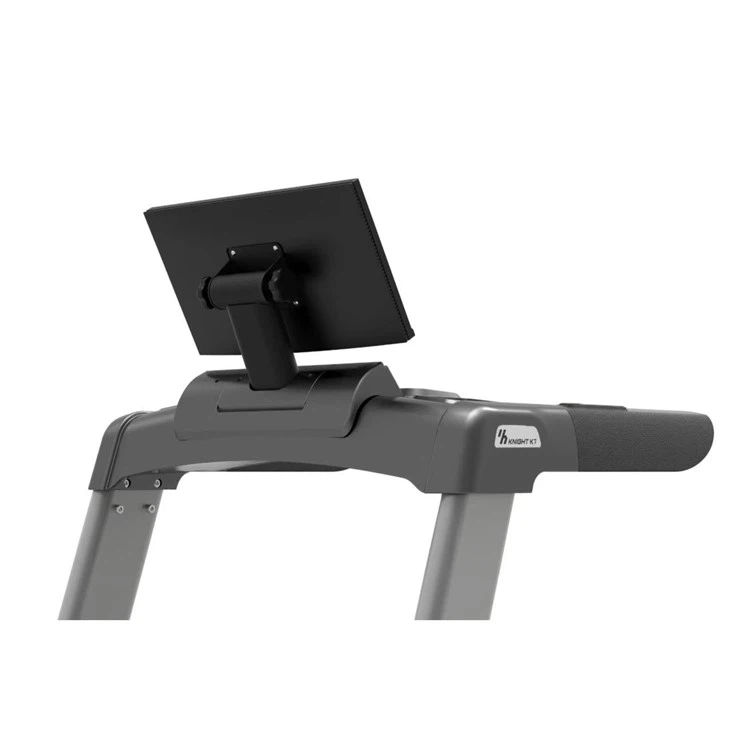
If you're using a 22 - Inch TV Screen Intelligent Treadmill, pay extra attention to the TV screen. Use a screen - cleaning solution specifically designed for electronics and a microfiber cloth to gently clean it. This will keep the picture clear and prevent any damage to the screen.
For ellipticals and stationary bikes, clean the pedals, handlebars, and display panels in the same way. Don't forget to clean the resistance mechanisms, as dust and debris can affect their performance. You can use a small brush to get into the nooks and crannies.
Lubrication
Lubrication is another key aspect of cardio equipment maintenance. Treadmill belts, in particular, need to be lubricated regularly. A well - lubricated belt reduces friction between the belt and the deck, which not only makes the treadmill run more smoothly but also extends the life of both the belt and the motor.
Most treadmills come with a recommended lubrication schedule. Usually, it's every 3 - 6 months, depending on how often you use the machine. To lubricate the belt, first, unplug the treadmill. Then, lift the belt at the front and pour the recommended lubricant onto the deck in a straight line. Lower the belt back down and turn on the treadmill at a slow speed for a few minutes to spread the lubricant evenly.
For other cardio equipment like ellipticals, the moving parts such as the axles and joints may also need lubrication. Check the manufacturer's instructions to see what type of lubricant to use and how often to apply it.
Belt and Chain Adjustment
On treadmills, the belt tension needs to be checked and adjusted periodically. A loose belt can slip, causing an uneven running surface and potentially damaging the motor. To check the belt tension, stop the treadmill and lift the belt at the center. It should have about 1 - 2 inches of slack. If it's too loose or too tight, refer to the user manual for instructions on how to adjust it.
For equipment with chains, like some heavy - duty stationary bikes or certain elliptical models, the chain tension also needs to be monitored. A loose chain can skip gears, while an overly tight chain can put extra stress on the motor and other components. Adjust the chain tension according to the manufacturer's guidelines.
Inspection of Electrical Components
Cardio equipment relies heavily on electrical components, so it's essential to inspect them regularly. Look for frayed wires, loose connections, or any signs of overheating. If you notice any issues with the electrical system, such as the machine not turning on or the display flickering, stop using the equipment immediately.
For complex equipment with electronic consoles, like the 22 - Inch TV Screen Intelligent Treadmill, keep an eye on the software updates. Manufacturers often release updates to improve the functionality and fix any bugs in the system. Make sure to follow the instructions provided by the manufacturer to install these updates safely.
Storage
Proper storage can also have a significant impact on the lifespan of your cardio equipment. If you need to store your equipment for an extended period, clean it thoroughly first. For treadmills, fold them up if they are foldable models and store them in a dry, cool place. Avoid storing equipment in areas with high humidity, as this can cause rust and damage to the electrical components.
If you have a Multifunctional Dumbbell Bench, make sure to disassemble it if possible and store the parts in a safe place. This will prevent any accidental damage during storage.
Professional Maintenance
Even if you're doing a great job of regular maintenance, it's still a good idea to have your cardio equipment serviced by a professional at least once a year. A professional technician can perform a more in - depth inspection, identify any potential problems early on, and make any necessary repairs or adjustments.
They have the tools and expertise to check the internal components of the equipment, such as the motor, sensors, and wiring. This can save you from costly breakdowns in the long run.
Maintenance Records
Keeping maintenance records is a smart move. Write down when you cleaned the equipment, lubricated the belt, adjusted the tension, or had it serviced by a professional. This will help you keep track of what needs to be done and when. It also comes in handy if you ever need to sell the equipment, as potential buyers will appreciate seeing a well - maintained history.
In conclusion, maintaining your cardio equipment is not that difficult if you follow these simple steps. By taking good care of your machines, you'll not only get more out of your workouts but also save money in the long term by avoiding expensive repairs and replacements.

If you're in the market for high - quality cardio equipment or need more advice on maintenance, feel free to reach out. We're here to help you make the most of your fitness journey. Whether you're a gym owner looking to stock up on reliable equipment or an individual setting up a home gym, we've got a wide range of products to meet your needs. Contact us for a purchase negotiation and let's get you the best cardio equipment for your requirements.
References
- Various cardio equipment user manuals
- Industry best practices for fitness equipment maintenance