

How to prevent slipping on a treadmill?
May 20, 2025
Leave a message
Hey there, fitness enthusiasts! As a treadmill supplier, I've seen it all when it comes to treadmill use. One of the most common concerns I hear from customers is how to prevent slipping on a treadmill. It's a valid worry because slipping can not only interrupt your workout but also lead to some pretty nasty injuries. So, I'm here to share some tips and tricks to keep you safe and steady during your treadmill sessions.
1. Choose the Right Treadmill
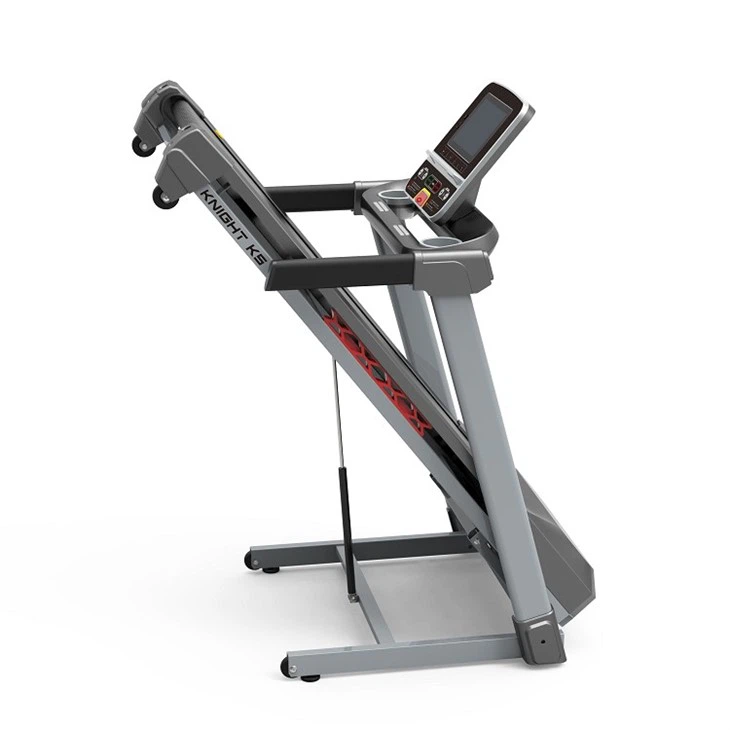
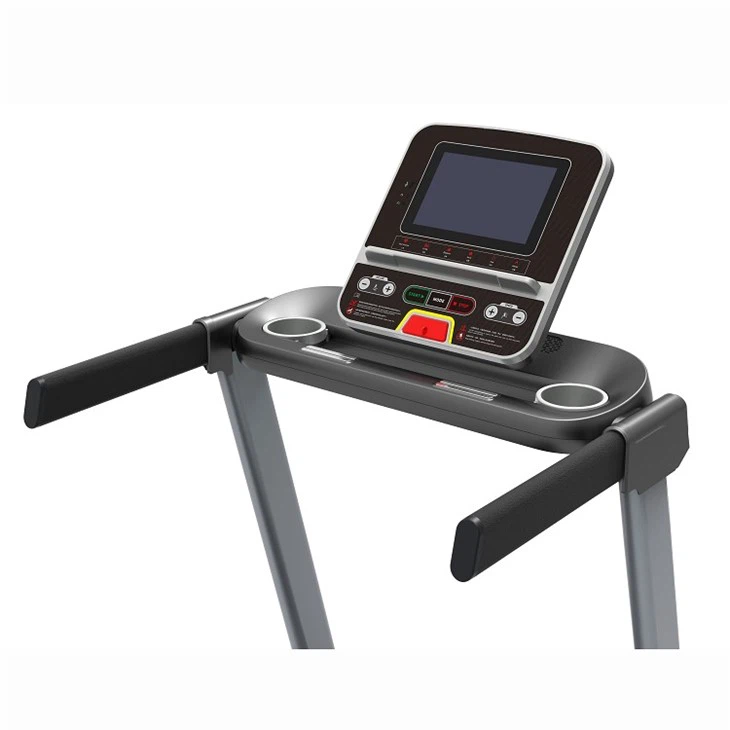
First things first, the type of treadmill you choose can make a huge difference in preventing slips. Our Workout Foldable Home Treadmill is a great option for home use. It has a non - slip running surface that provides excellent traction. The surface is designed with special textures that grip your shoes, reducing the chances of slipping even when you're sweating or running at high speeds.
If you're more into walking workouts, our Home Workout Walking Treadmill is a perfect fit. It's built with a stable base and a walking belt that has a good grip. The belt's material is engineered to resist slippage, so you can walk comfortably without any fear of losing your footing.
For those who like more intense indoor workouts with incline options, our Indoor Incline OEM Motorized Treadmill is the way to go. It has advanced features that ensure stability and safety, even when you're running on an incline. The incline function is smooth, and the running surface remains consistent, minimizing the risk of slipping.
2. Wear the Right Shoes
Your choice of footwear plays a crucial role in preventing slips on a treadmill. You want shoes that have good traction. Running shoes are usually the best option because they are designed specifically for this type of activity. Look for shoes with rubber soles that have deep grooves. These grooves help to channel sweat and moisture away from the sole, providing better grip on the treadmill surface.
Avoid wearing shoes that are too worn out. If the soles are smooth or the tread is almost gone, they won't provide the necessary traction. Also, make sure your shoes fit properly. Shoes that are too big can cause you to slide around inside them, increasing the risk of slipping on the treadmill.
3. Keep the Treadmill Clean
A dirty treadmill can be a slipping hazard. Sweat, dust, and debris can accumulate on the running surface over time, making it slippery. Regularly clean your treadmill to keep it in top condition. Use a mild cleaner and a soft cloth to wipe down the running belt. Make sure to clean the sides and the edges of the belt as well.
Check the treadmill's lubrication regularly. A well - lubricated belt runs smoothly and reduces friction, which can also prevent slipping. Follow the manufacturer's instructions for lubrication, as different treadmills may have different requirements.
4. Adjust Your Speed and Incline Gradually
Sudden changes in speed or incline can throw off your balance and cause you to slip. When you start your workout, begin at a slow speed and gradually increase it as you get comfortable. The same goes for incline. If you're planning to use the incline function, start with a low incline and gradually raise it.
This gives your body time to adjust to the changes and helps you maintain your balance. Also, make sure to hold onto the handrails when you're making these adjustments, especially if you're new to using a treadmill or if you're trying a new speed or incline.
5. Maintain Proper Form
Your running or walking form on the treadmill can also affect your risk of slipping. Keep your feet centered on the running belt. Stepping too close to the edges can cause you to lose your balance and slip off.
When you're running, land on the balls of your feet and roll through your stride. This helps to maintain a smooth and stable gait. Avoid overstriding, as this can make you more likely to trip or slip.
If you're walking, keep your steps even and your pace consistent. Swing your arms naturally to help with balance.
6. Be Mindful of Your Surroundings
The area around your treadmill can also contribute to slipping. Make sure the floor around the treadmill is dry and free of any obstacles. If there's any water or moisture on the floor, clean it up immediately.
Also, keep your workout area well - lit. Poor lighting can make it difficult to see the treadmill surface clearly, increasing the risk of slipping.
7. Warm Up and Cool Down
A proper warm - up and cool - down routine can help prevent slipping. Before you start your treadmill workout, spend a few minutes doing some light stretching and dynamic exercises. This helps to loosen up your muscles and improve your balance.
After your workout, cool down with some gentle walking and stretching. This helps your body gradually return to its normal state and reduces the risk of muscle fatigue, which can lead to slipping.
Contact Us for More
If you're interested in purchasing a high - quality treadmill that prioritizes safety and slip prevention, we're here to help. Whether you're a home user or a gym owner, we have a wide range of treadmills to meet your needs. Don't hesitate to reach out to us for more information or to discuss your specific requirements. We're always happy to assist you in finding the perfect treadmill for your workout routine.
References
- American Council on Exercise (ACE). "Treadmill Safety Tips."
- Mayo Clinic. "Exercise Equipment Safety: Treadmills."