

How to troubleshoot common problems with multi gym equipment?
Jul 30, 2026
Leave a message
As a supplier of multi gym equipment, I've encountered a wide range of issues with our products over the years. In this blog, I'll share some common problems that users face with multi gym equipment and offer practical solutions to troubleshoot them.
1. Noise and Vibration Issues
One of the most common complaints we receive is about noise and excessive vibration during the use of multi gym equipment. This can be not only annoying but also a sign of underlying problems.
Possible Causes
- Loose Parts: Over time, the constant movement and stress on the equipment can cause bolts, nuts, and other fasteners to loosen. For example, on our 2 IN 1 Function Squat Trainer, if the bolts that hold the frame together become loose, it can lead to rattling noises.
- Worn Bearings: Bearings are crucial components that allow smooth movement of various parts. When they wear out, they can produce grinding or squeaking sounds. This is often the case in the pulleys and levers of multi gym equipment.
- Lack of Lubrication: Moving parts need proper lubrication to reduce friction. Without it, metal - to - metal contact can cause noise and increase wear and tear.
Solutions
- Tighten Loose Parts: Regularly inspect the equipment for loose bolts and nuts. Use the appropriate tools to tighten them. For example, a socket wrench can be used to tighten the bolts on the frame of the Eight Station Gym Equipment.
- Replace Worn Bearings: If you notice a grinding noise coming from a particular part, it might be time to replace the bearings. Consult the equipment's manual or contact our customer support for guidance on finding the right replacement parts.
- Lubricate Moving Parts: Use a high - quality lubricant on all moving parts, such as the pulleys, chains, and hinges. This will not only reduce noise but also extend the lifespan of the equipment.
2. Resistance Problems
Another common issue is related to the resistance provided by the multi gym equipment. Users may find that the resistance is too high or too low, which can affect their workout experience.
Possible Causes
- Incorrect Resistance Settings: Sometimes, users may accidentally set the resistance at an inappropriate level. This can happen if the equipment has a complex resistance adjustment mechanism.
- Malfunctioning Resistance Mechanism: The resistance mechanism, such as a hydraulic cylinder or a magnetic brake, may malfunction over time. For example, on our Functional Smith Squat Machine, a problem with the magnetic resistance system can lead to inconsistent resistance.
- Worn - out Components: Components like the cables or belts that are part of the resistance system can wear out, causing a change in the resistance.
Solutions
- Check and Adjust Resistance Settings: Refer to the equipment's manual to understand how to correctly set the resistance. Make sure you are following the proper procedure.
- Inspect and Repair the Resistance Mechanism: If you suspect a malfunction, carefully inspect the resistance mechanism. Look for any signs of damage or wear. If necessary, contact our technical support for assistance in repairing or replacing the faulty parts.
- Replace Worn - out Components: If cables or belts are worn, replace them with new ones. This will restore the proper resistance and functionality of the equipment.
3. Stability Issues
A stable multi gym equipment is essential for a safe and effective workout. However, users may encounter problems with the stability of the equipment.
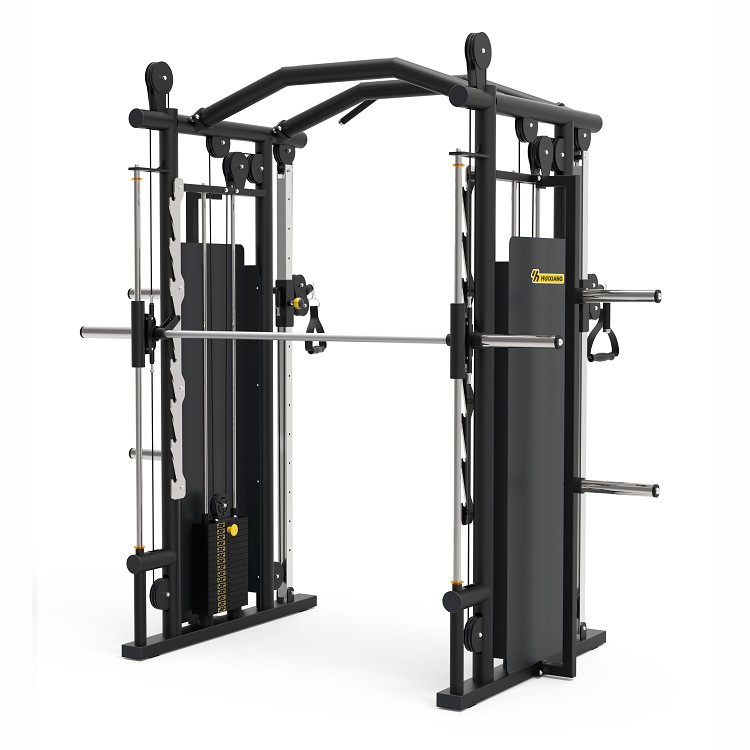

Possible Causes
- Uneven Surface: Placing the equipment on an uneven surface can cause it to wobble. This is a common issue, especially in home gyms where the floor may not be perfectly level.
- Damaged Base or Frame: The base or frame of the equipment can get damaged over time, either due to improper use or normal wear and tear. For example, if the frame of the 2 IN 1 Function Squat Trainer is bent, it can affect the stability.
- Loose or Missing Feet Pads: The feet pads of the equipment help to distribute the weight evenly and provide stability. If they are loose or missing, the equipment may become unstable.
Solutions
- Level the Surface: Use a leveling tool to check the surface where the equipment is placed. If it is uneven, use shims or other leveling materials to make it flat.
- Inspect and Repair the Base or Frame: Look for any signs of damage on the base or frame. If there is a bend or crack, contact our customer support to see if it can be repaired or if a replacement part is needed.
- Tighten or Replace Feet Pads: Make sure all the feet pads are tightly attached. If any are missing, order replacement pads from us.
4. Cable and Pulley Problems
Cables and pulleys are integral parts of many multi gym equipment, and problems with them can disrupt the normal operation of the equipment.
Possible Causes
- Cable Wear and Tear: Cables are under constant tension during use, which can cause them to fray or break over time.
- Pulley Misalignment: If the pulleys are not properly aligned, the cable may not move smoothly, leading to jams or uneven movement.
- Lack of Maintenance: Failure to clean and lubricate the cables and pulleys can result in increased friction and premature wear.
Solutions
- Inspect and Replace Cables: Regularly check the cables for signs of wear, such as fraying or thinning. If a cable is damaged, replace it immediately to avoid any safety hazards.
- Align the Pulleys: Make sure the pulleys are properly aligned. This may require adjusting the position of the pulleys or tightening the mounting bolts.
- Maintain Cables and Pulleys: Clean the cables and pulleys regularly to remove dirt and debris. Apply a suitable lubricant to reduce friction.
5. Electrical Problems (if applicable)
Some multi gym equipment may have electrical components, such as electronic displays or motorized resistance systems. Electrical problems can be more complex to troubleshoot.
Possible Causes
- Power Supply Issues: A loose power cord, a blown fuse, or a faulty outlet can cause the equipment to stop working.
- Faulty Electrical Components: Components like the control board or the motor can malfunction due to electrical surges, overheating, or normal wear and tear.
- Software Glitches: If the equipment has a software - controlled system, glitches can occur, leading to incorrect readings or improper operation.
Solutions
- Check the Power Supply: Ensure that the power cord is properly plugged in and that the outlet is working. If there is a blown fuse, replace it with a fuse of the correct rating.
- Inspect and Replace Electrical Components: If you suspect a faulty electrical component, contact our technical support. They can help you diagnose the problem and provide guidance on replacing the component.
- Update the Software: If the equipment has software, check if there are any available updates. Updating the software can often fix glitches and improve the performance of the equipment.
In conclusion, troubleshooting common problems with multi gym equipment requires a systematic approach. By understanding the possible causes and following the appropriate solutions, users can keep their equipment in good working condition. If you encounter any problems that you are unable to solve on your own, don't hesitate to contact us. We are a reliable supplier of multi gym equipment, and our team of experts is always ready to assist you. Whether you are looking to purchase new equipment or need support for your existing one, we can provide you with the best solutions. Reach out to us for more information and to discuss your procurement needs.
References
- Manufacturer's manuals for multi gym equipment
- Industry best practices for gym equipment maintenance and troubleshooting