

How to use a treadmill for cardio workouts?
Mar 02, 2026
Leave a message
Hey there, fitness enthusiasts! I'm stoked to share my knowledge on how to use a treadmill for some killer cardio workouts. As a treadmill supplier, I've seen firsthand how these machines can transform your fitness journey. So, let's dive right in!
Getting Started: Setting Up Your Treadmill
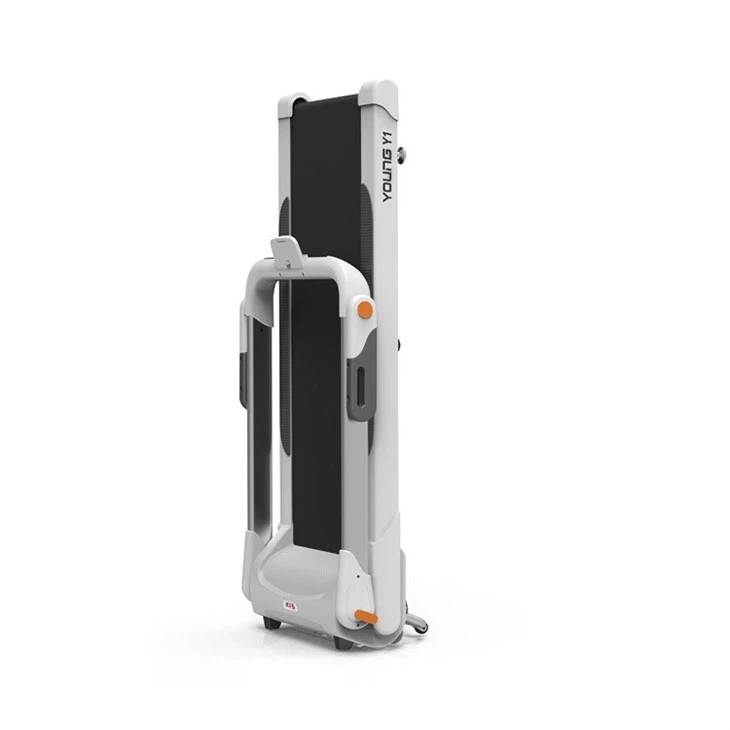
First things first, you gotta pick the right treadmill for you. We've got some awesome options, like the Small Indoor Treadmill. It's perfect if you're short on space but still want a great workout. Or, if you're looking for something a bit more high - tech and suitable for semi - gym use, check out the Semi Gym Innovative Treadmill. And for those who want a quiet and powerful machine, the New Ultra Quiet Motorized Machine W5 is a game - changer.
Once you've got your treadmill, find a flat and stable surface to set it up. Make sure there's enough space around it for you to move freely. Plug it in and turn it on. Most treadmills have a display panel where you can set your speed, incline, and workout time.
Warm - up
Before you start running or walking at full speed, it's super important to warm up. A good warm - up gets your blood flowing, loosens up your muscles, and reduces the risk of injury. Start by walking at a slow pace, around 2 - 3 miles per hour, for about 5 minutes. Swing your arms gently to increase blood circulation. You can also do some light knee bends and ankle rolls while you're walking on the treadmill. This helps to loosen up your joints.
Choosing the Right Workout
There are so many different types of cardio workouts you can do on a treadmill. Here are a few popular ones:
Steady - State Cardio
This is the most basic type of treadmill workout. You simply set a constant speed and incline and keep going for a set period of time. For example, you could walk at 3.5 miles per hour with a 1% incline for 30 minutes. Steady - state cardio is great for building endurance and burning calories. It's also a good option if you're new to working out or if you're recovering from an injury.

Interval Training
Interval training is all about alternating between short bursts of high - intensity exercise and periods of low - intensity recovery. For example, you could sprint at 8 miles per hour for 30 seconds, then walk at 3 miles per hour for 1 minute. Repeat this cycle for 20 - 30 minutes. Interval training is a great way to boost your metabolism, improve your cardiovascular fitness, and burn more calories in less time.
Hill Training
If you want to add some variety to your treadmill workouts, try hill training. You can increase the incline of the treadmill to simulate running or walking up a hill. Start with a small incline, like 2 - 3%, and gradually increase it as you get stronger. Hill training helps to build leg strength and endurance. You can do hill training as a steady - state workout or incorporate it into interval training.
Proper Form
Maintaining proper form while using a treadmill is crucial. Here are some tips:
- Keep your back straight and your shoulders relaxed. Don't hunch over or slouch.
- Land on the balls of your feet and roll through your step. This helps to reduce stress on your joints.
- Swing your arms naturally at your sides. Your arms should move in sync with your legs to help with balance and momentum.
- Don't hold onto the handrails unless you really need to. Holding onto the handrails can change your gait and reduce the effectiveness of your workout.
Cool - down
After you've finished your workout, it's important to cool down. Just like warming up, cooling down helps your body transition from exercise to a resting state. Slow down your walking speed to 2 - 3 miles per hour and continue walking for about 5 minutes. Then, do some light stretching. Stretch your calves, hamstrings, quadriceps, and hips. Hold each stretch for 15 - 30 seconds. Stretching helps to reduce muscle soreness and prevent injury.
Safety Tips
- Always wear proper workout shoes. Good shoes provide support and cushioning to protect your feet and joints.
- Don't overload the treadmill. Make sure you're within the weight limit specified by the manufacturer.
- Keep a safe distance from the front and back of the treadmill. If you start to lose your balance, step off the treadmill carefully.
- If you feel any pain or discomfort during your workout, stop immediately and consult a doctor if necessary.
Maintenance
To keep your treadmill in good working condition, it's important to do some regular maintenance. Clean the treadmill after each use. Wipe down the display panel, handrails, and running belt with a damp cloth. Check the running belt for wear and tear. If it looks worn, it may need to be replaced. Also, lubricate the running belt according to the manufacturer's instructions. This helps to reduce friction and extend the life of the treadmill.
Why Choose Our Treadmills?
As a treadmill supplier, we take pride in offering high - quality treadmills that are built to last. Our treadmills are designed with the latest technology to provide a smooth and comfortable workout experience. Whether you're a beginner or a seasoned athlete, we have a treadmill that's right for you.
If you're interested in purchasing a treadmill for your home or gym, we'd love to hear from you. We can provide you with more information about our products and help you choose the best treadmill for your needs. Contact us to start a procurement discussion and take the first step towards a healthier, fitter you!
References
- American Council on Exercise (ACE). "Cardiovascular Exercise Guidelines."
- Mayo Clinic. "Cardiovascular Exercise: 7 Benefits of Aerobic Fitness."
- National Institutes of Health (NIH). "Exercise and Physical Activity: A Health Topic."