

What is the best way to train for a long - distance row on a rower?
May 15, 2025
Leave a message
Training for a long - distance row on a rower is a challenging yet rewarding endeavor. As a supplier of high - quality rowers, I've witnessed firsthand the transformation that proper training can bring to rowing enthusiasts. In this blog, I'll share some of the best ways to prepare for a long - distance row, drawing on scientific principles and practical experience.
Understanding the Basics of Rowing
Before diving into long - distance training, it's essential to have a solid understanding of the rowing stroke. The rowing stroke consists of four phases: the catch, the drive, the finish, and the recovery.
The catch is the starting position where you sit at the front of the rower with your shins vertical, knees bent, and arms extended forward. The drive is the power phase where you push with your legs, lean back from the hips, and pull the handle towards your chest. The finish is the end of the power phase, where your legs are fully extended, your body is leaned back, and the handle is close to your abdomen. The recovery is the return to the catch position, where you first extend your arms forward, then hinge at the hips to bring your torso forward, and finally bend your knees.
Proper technique is crucial for efficient rowing and injury prevention. A smooth, coordinated stroke will allow you to maintain a consistent pace over long distances. You can practice the stroke in slow motion, focusing on each phase, to build muscle memory.
Setting Realistic Goals
When training for a long - distance row, setting realistic goals is key. Start by determining the distance you want to row and the time you hope to complete it in. Break this long - term goal into smaller, short - term goals. For example, if you plan to row a 10,000 - meter race in three months, you could set a goal to row 2,000 meters without stopping within the first month.
These short - term goals will help you track your progress and stay motivated. They also allow you to adjust your training plan as needed. If you find that you're progressing faster than expected, you can increase the intensity or distance of your workouts. Conversely, if you're struggling, you can take a step back and focus on improving your technique or building more endurance.
Creating a Training Plan
A well - structured training plan is essential for long - distance rowing success. Your plan should include a combination of endurance training, interval training, and strength training.
Endurance Training
Endurance training is the foundation of long - distance rowing. It involves rowing at a steady, moderate pace for an extended period. This type of training helps to improve your cardiovascular fitness, build stamina, and teach your body to use oxygen more efficiently.

Start with shorter distances and gradually increase the duration of your rowing sessions. Aim to row at a pace where you can still hold a conversation, but you're breathing harder than normal. For example, you could start with 20 - 30 minutes of continuous rowing three times a week and gradually increase the time to 60 minutes or more as your fitness level improves.
Interval Training
Interval training involves alternating between short bursts of high - intensity rowing and periods of active recovery. This type of training helps to improve your speed, power, and anaerobic capacity.
For interval training, you can choose a work - to - rest ratio that suits your fitness level. A common ratio is 1:1, where you row at a high intensity for a set period (e.g., 30 seconds) and then recover for the same amount of time. You can repeat these intervals for a total of 10 - 20 minutes. As you get stronger, you can increase the intensity of the work intervals or decrease the recovery time.
Strength Training
Strength training is important for rowing because it helps to build the muscles used in the rowing stroke, including the legs, back, and arms. You can incorporate strength training exercises into your routine two to three times a week.
Some effective strength training exercises for rowing include squats, lunges, deadlifts, rows, and pull - ups. These exercises mimic the movements of the rowing stroke and help to improve your overall strength and power. You can start with light weights and gradually increase the resistance as you get stronger.
Choosing the Right Rower
As a rower supplier, I know that choosing the right rower is crucial for a successful training experience. We offer a range of high - quality rowers to suit different needs and budgets.
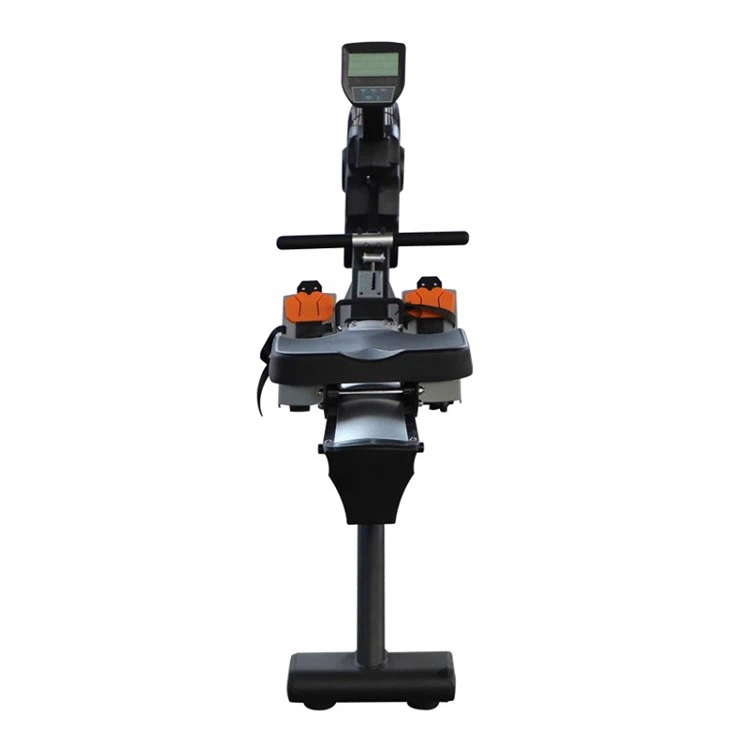
The [Home Fitness Innovative Air Rower](/cardio - equipment/rower/home - fitness - innovative - air - rower.html) is a great option for home use. It provides a smooth and realistic rowing experience, and the resistance can be adjusted based on your fitness level. The air resistance system also provides a challenging workout as you row faster.
If you're looking for a rower for commercial use or a more intense training environment, the [Commercial Magnetic Gym Rower](/cardio - equipment/rower/commercial - magnetic - gym - rower.html) is an excellent choice. It is built to withstand heavy use and offers precise resistance adjustment. The magnetic resistance system is quiet and provides a consistent workout.
For those who want a luxurious and high - end rowing experience at home, the [Luxury Home Magnetic Rower](/cardio - equipment/rower/luxury - home - magnetic - rower.html) is the perfect option. It features advanced technology, a comfortable seat, and a stylish design.
Nutrition and Hydration
Proper nutrition and hydration are essential for long - distance rowing. During training, your body needs a sufficient supply of energy to perform at its best. Focus on consuming a balanced diet that includes carbohydrates, proteins, and healthy fats.
Carbohydrates are the body's primary source of energy, especially during high - intensity exercise. Good sources of carbohydrates include whole grains, fruits, and vegetables. Proteins are important for muscle repair and growth, so make sure to include lean meats, fish, eggs, and dairy products in your diet. Healthy fats, such as those found in avocados, nuts, and olive oil, are also important for overall health.

In addition to proper nutrition, staying hydrated is crucial. Drink plenty of water before, during, and after your rowing sessions. Dehydration can lead to fatigue, muscle cramps, and decreased performance.

Rest and Recovery
Rest and recovery are just as important as training itself. Your body needs time to repair and adapt to the stress of rowing. Make sure to get enough sleep each night, as this is when your body does most of its recovery.
In addition to sleep, you can also incorporate other recovery techniques into your routine, such as stretching, foam rolling, and massage. Stretching helps to improve flexibility and reduce muscle soreness. Foam rolling is a form of self - myofascial release that can help to relieve muscle tension. Massage can also help to improve blood circulation and reduce muscle soreness.
Conclusion
Training for a long - distance row on a rower requires a combination of proper technique, realistic goal - setting, a well - structured training plan, the right equipment, proper nutrition and hydration, and adequate rest and recovery. By following these tips, you can improve your rowing performance and achieve your long - distance rowing goals.
If you're interested in purchasing a high - quality rower for your training, we'd love to hear from you. Our team of experts can help you choose the right rower for your needs and budget. Contact us today to start your journey towards long - distance rowing success.
References
- Coyle, E. F. (2009). Physiology of endurance training. Journal of Applied Physiology, 106(6), 2264 - 2270.
- Laursen, P. B., & Jenkins, D. G. (2002). The scientific basis for high - intensity interval training: optimizing training programmes and maximising performance in highly trained endurance athletes. Sports Medicine, 32(1), 53 - 73.
- Tipton, K. D. (2004). Nutrition for exercise and sport. Journal of the American Dietetic Association, 104(6), 966 - 975.