

What kind of resistance system do upright bikes usually have?
Dec 03, 2025
Leave a message
When it comes to upright bikes, the resistance system is a crucial factor that determines the quality of the workout experience. As a supplier of Upright And Recumbent Bikes, I've had the opportunity to delve deep into the various resistance systems available in the market. In this blog, I'll explore the different types of resistance systems commonly found in upright bikes, their advantages, and how they can enhance your fitness routine.
Magnetic Resistance System
One of the most popular resistance systems in modern upright bikes is the magnetic resistance system. This system uses magnets to create resistance against the flywheel, which is connected to the pedals. The strength of the magnetic field can be adjusted to increase or decrease the resistance, allowing users to customize their workout intensity.
The main advantage of magnetic resistance is its smooth and quiet operation. Unlike other resistance systems, such as friction or air resistance, magnetic resistance produces minimal noise, making it ideal for home use. Additionally, magnetic resistance is highly adjustable, allowing users to fine-tune the resistance level to their specific fitness goals. Whether you're a beginner looking for a gentle workout or an advanced athlete seeking a challenging session, a magnetic resistance upright bike can accommodate your needs.
Another benefit of magnetic resistance is its durability. Since there are no physical contact points between the magnets and the flywheel, there is less wear and tear on the components, resulting in a longer lifespan for the bike. This makes magnetic resistance upright bikes a cost-effective investment in the long run.
Many of our Professional Gym Commercial Bike models feature magnetic resistance systems, providing a high-quality workout experience for gym-goers. These bikes are designed to withstand heavy use and offer a wide range of resistance levels to meet the needs of different users.
Friction Resistance System
Friction resistance is one of the oldest and simplest resistance systems used in upright bikes. This system uses a friction pad or belt to create resistance against the flywheel. When the user adjusts the resistance level, the friction pad or belt is pressed against the flywheel, increasing or decreasing the amount of resistance.
The main advantage of friction resistance is its affordability. Friction resistance upright bikes are generally less expensive than those with magnetic or air resistance systems, making them a popular choice for budget-conscious consumers. Additionally, friction resistance provides a more traditional cycling feel, similar to riding a real bike on the road.
However, friction resistance also has some drawbacks. One of the main issues is the noise level. As the friction pad or belt rubs against the flywheel, it can produce a significant amount of noise, which can be distracting for some users. Another problem is the wear and tear on the friction pad or belt. Over time, the friction pad or belt can wear out, requiring replacement. This can add to the long-term cost of owning a friction resistance upright bike.
Despite these limitations, friction resistance can still be a viable option for some users. Our Home Recumbent Workout Bike models with friction resistance systems are designed to provide a comfortable and effective workout at an affordable price. These bikes are suitable for home use and offer a decent range of resistance levels.
Air Resistance System
Air resistance is another popular resistance system used in upright bikes. This system uses a fan or impeller to create resistance against the flywheel. As the user pedals faster, the fan or impeller spins faster, increasing the amount of resistance.
The main advantage of air resistance is its progressive resistance. Unlike magnetic or friction resistance, which offer fixed resistance levels, air resistance increases as the user pedals faster. This provides a more challenging and realistic workout experience, similar to riding a bike on the road. Additionally, air resistance is relatively quiet compared to friction resistance, making it a good option for home use.
Another benefit of air resistance is its durability. Since there are no physical contact points between the fan or impeller and the flywheel, there is less wear and tear on the components, resulting in a longer lifespan for the bike.
However, air resistance also has some limitations. One of the main issues is the lack of precise resistance adjustment. Unlike magnetic resistance, which allows users to fine-tune the resistance level, air resistance is more dependent on the user's pedaling speed. This can make it difficult for users to maintain a consistent resistance level throughout their workout.
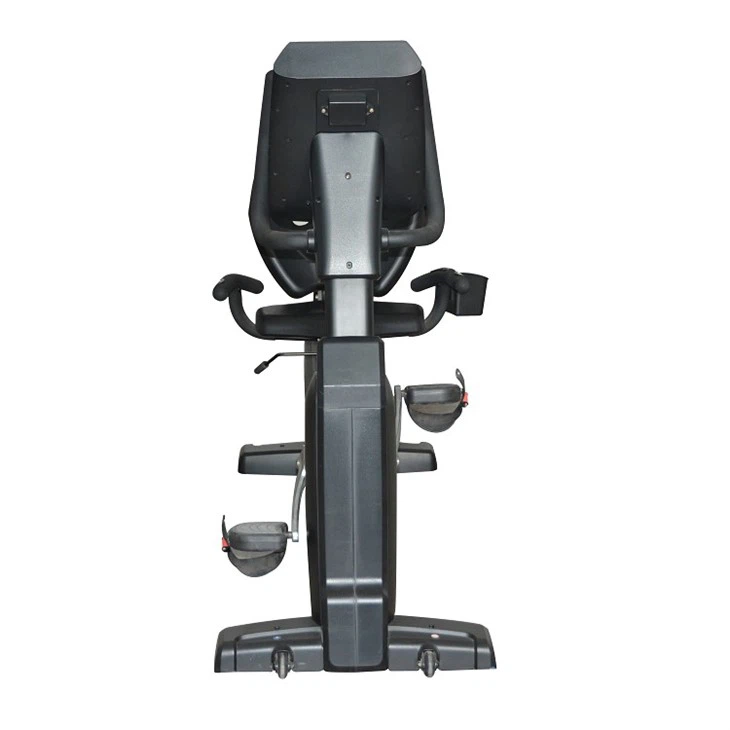
Our Full Commercial Recumbent Bike models with air resistance systems are designed to provide a high-intensity workout for commercial gyms. These bikes are built to withstand heavy use and offer a wide range of resistance levels to meet the needs of different users.
Eddy Current Resistance System
Eddy current resistance is a more advanced type of magnetic resistance system. This system uses an electromagnetic field to create resistance against the flywheel. When the user adjusts the resistance level, the strength of the electromagnetic field is changed, which in turn affects the amount of resistance.
The main advantage of eddy current resistance is its precise and smooth operation. Unlike traditional magnetic resistance systems, which can have some lag or inconsistency in the resistance adjustment, eddy current resistance provides a more immediate and accurate response. This allows users to fine-tune the resistance level with greater precision, resulting in a more customized workout experience.
Another benefit of eddy current resistance is its quiet operation. Since there are no physical contact points between the electromagnetic field and the flywheel, there is minimal noise produced during the workout. This makes eddy current resistance upright bikes ideal for home use or in environments where noise is a concern.
However, eddy current resistance systems are generally more expensive than other types of resistance systems. This is due to the advanced technology and components used in these systems.
Choosing the Right Resistance System
When choosing an upright bike, it's important to consider your fitness goals, budget, and personal preferences. If you're looking for a smooth, quiet, and highly adjustable workout experience, a magnetic or eddy current resistance system may be the best option for you. These systems offer a wide range of resistance levels and precise adjustment, allowing you to customize your workout to your specific needs.
If you're on a budget or prefer a more traditional cycling feel, a friction resistance system may be a good choice. Friction resistance upright bikes are generally less expensive and provide a simple and effective workout.
If you're looking for a challenging and realistic workout experience, an air resistance system may be the way to go. Air resistance increases as you pedal faster, providing a more dynamic and engaging workout.
As a supplier of Upright And Recumbent Bikes, we offer a wide range of models with different resistance systems to meet the needs of different customers. Whether you're a home user looking for a comfortable and affordable workout bike or a commercial gym owner in need of high-quality equipment, we have the right solution for you.
If you're interested in learning more about our upright bikes or have any questions about the resistance systems, please feel free to contact us. We're here to help you find the perfect bike for your fitness needs and guide you through the purchasing process.

References
- "Exercise Equipment: A Guide to Choosing the Right Gear." American Council on Exercise.
- "Resistance Systems in Exercise Bikes." Fitness Equipment Reviews.
- "The Science of Resistance in Exercise Bikes." Journal of Sports Science and Medicine.