

The Shattered Illusion Of Expansion: Lessons From FitLab And Assault Fitness Bankruptcy On Fitness Equipment And Capital Integration
Nov 04, 2026
Leave a message
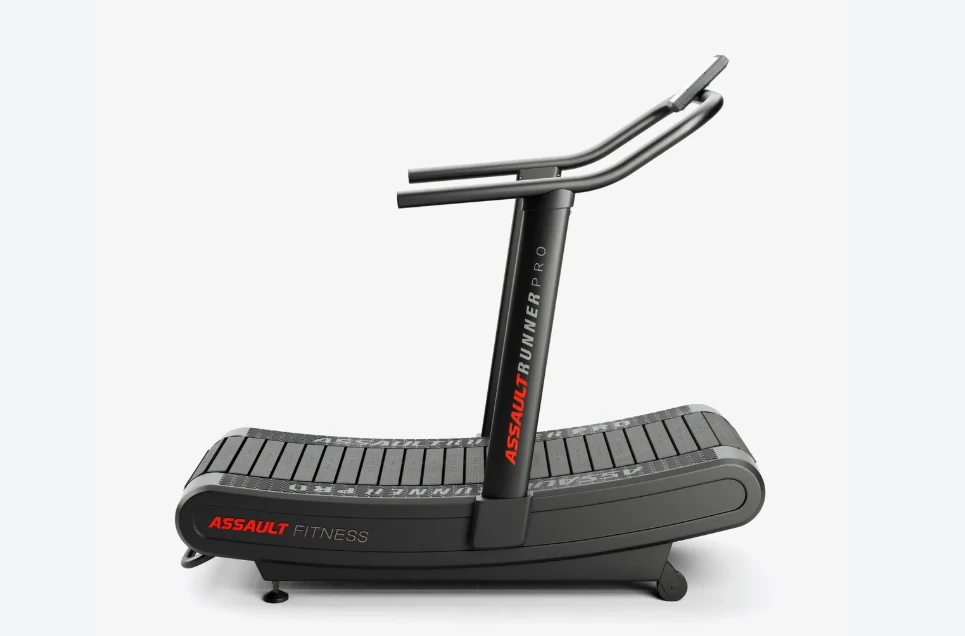
Founded in 2019, FitLab was built around an appealing business concept: to break out of the limits of single‑product equipment manufacturers or standalone fitness studios and build a "Performance Lifestyle" platform that links assets across different sectors via capital acquisitions. It successively took over Y7 yoga studios, Ragnar relay race series and RPM Training functional gear. In February 2024, it completed the acquisition of Assault Fitness and RPM Training, filling its portfolio with commercial heavy‑duty fitness hardware. Long respected among CrossFit boxes, professional sports teams and military and law enforcement training units, Assault Fitness' iconic air bikes and curved non‑motorized treadmills were benchmarks for high‑intensity functional training. It maintained a stable B‑base of gym clients and became the hardware segment expected to generate solid cash flow within the group. At that time, the market was optimistic about this consolidation: equipment supply feeding offline studios, events driving equipment sales, and data, membership and supply chain synergies cutting costs to form a closed loop. Nike was a key investor and entrusted FitLab to operate Nike Studios, pushing the group into the industry spotlight.
Beneath the glamorous ecosystem narrative, structural risks had been building up. Bankruptcy filings revealed FitLab's liabilities ranged from $100 million to $500 million, while its assets stood between $10 million and $50 million, with thousands of creditors and a severely unbalanced balance sheet. The first visible crack emerged at Assault Fitness, the crown jewel of the acquisition. Starting in spring 2025, numerous gym buyers and end consumers reported long‑delayed orders and unresolved refund requests, with hundreds of complaints logged on BBB. Nearly all SKUs on the brand website went out of stock, production and fulfillment ground to a halt. The well‑regarded specialist equipment brand fell into a fulfillment crisis. Many prepaid customers became unsecured creditors with low priority for repayment, facing slim chances of recovering funds.
This collapse was not merely a fulfillment failure. It stemmed from three overlapping conflicts: a mismatch between capital‑driven growth logic and the fundamentals of fitness manufacturing, the illusion of synergy across integrated assets, and the industry cycle downturn after pandemic‑era demand faded.
First, capital pursues rapid scaling, while commercial fitness equipment is a capital‑intensive, supply‑chain‑heavy, slow‑turn manufacturing business. Specialist functional gear like Assault Fitness products relies heavily on outsourced factories, metal fabrication and component sourcing. B‑end bulk orders feature rigid delivery schedules and long after‑sales maintenance cycles. After acquisition, the holding company prioritized hitting revenue targets and meeting earn‑out commitments over building supply chain resilience. FitLab continuously channeled cash toward cash‑burning offline studio and event businesses, squeezing working capital for equipment production. Once raw material and ocean freight costs fluctuated or gym procurement budgets tightened, the hardware segment's cash flow came under immediate pressure. Most capital teams excel at valuation, dealmaking and storytelling but lack deep operational know‑how in fitness hardware manufacturing. Without control over production scheduling, quality standards and payment terms, the end result was predictable: they could buy brands, yet could not keep factories running or orders shipping.
Second, the so‑called "ecosystem synergy" remained largely conceptual, as underlying business logic of different assets was inherently disconnected. FitLab's portfolio spanned equipment manufacturing, yoga studios and endurance events. Studios burned cash on rent and labor with low resilience; event revenue was highly seasonal. Assault Fitness served B‑end gyms with long sales cycles and extended payment terms. Their customer bases, distribution channels and inventory models barely overlapped. The projected cross‑referral never materialized: yoga attendees had little overlap with CrossFit gym operators purchasing air bikes, and event traffic converted to equipment sales at negligible rates. Instead of diversifying fixed costs, these assets created correlated risks. Persistent losses at offline studios drained group cash flow and starved the equipment brand of operating funds. A niche hardware brand that could have operated profitably independently was tied to a bleeding holding structure and dragged into liquidity trouble. The shutdown of Nike Studios and mass closures of Y7 locations marked the bleeding of offline assets and formed a major blow to cash reserves.
Third, the valuation bubble burst once pandemic‑era tailwinds faded. Surging demand for home training and functional gym expansion during the pandemic drove a sharp spike in global commercial fitness equipment orders, prompting factory capacity expansion and capital investment at peak valuations. As the temporary boom subsided, new gym openings slowed, and venue spending shifted from mass new purchases to equipment replacement and renewal. The market flipped from a seller's to a buyer's market amid fiercer price competition. Acquisition valuations and performance commitments built on high‑growth assumptions became unsustainable. Although Assault Fitness had strong brand loyalty within its niche, the total addressable market was limited and could not support the aggressive growth KPIs demanded by the holding platform. Capital applied internet‑style scaling models to value physical fitness assets, overestimating synergy and underestimating cyclical exposure. When growth missed targets, debt interest, deferred acquisition payments and earn‑out obligations matured together, triggering a cash crunch.
The FitLab and Assault Fitness case carries profound implications for Chinese fitness equipment exporters, brand owners and industrial capital.
For hardware manufacturers, the moat of specialist fitness brands always lies in stable supply chains, reliable fulfillment, quality control and after‑sales support - not capital narratives. Assault Fitness had solid product reputation yet failed to protect cash flow and delivery capacity. It sends a warning to niche best‑in‑class brands: whether acquired or independent, a cash buffer must be maintained, and risks of capital reallocation by parent entities must be guarded against. The professional trust built over years can erode rapidly once deliveries stop, and reputation repair carries an enormous cost.
For industrial capital and acquirers, fitness consolidation is not a simple portfolio assembly exercise. Fitness equipment is a tangible manufacturing sector. Due diligence for acquisitions should go beyond brand prestige and customer rosters to examine production schedules, supplier payment terms, inventory structures and B‑end collection cycles. Cross‑sector acquisitions combining hardware, brick‑and‑mortar studios and events warrant extra caution. True synergy requires aligned channels, user groups and supply chains. Putting unrelated assets together only concentrates risk instead of hedging it. Capital should empower R&D, supply chain upgrades and global distribution rather than sustaining operations with fundraising and stacking brands for stories.
Within the landscape of global fitness exports, competition in commercial fitness hardware is intensifying while Chinese manufacturers keep expanding overseas. Many enterprises are weighing whether to acquire established Western fitness brands and build multi‑brand portfolios. FitLab offers a clear counterexample: the biggest pitfall of acquiring local overseas brands is not acquisition premium, but post‑closing operation, supply chain takeover and local fulfillment. Without in‑house manufacturing capacity and local service teams, pure financial control will easily repeat the same failure.
Chapter 11 bankruptcy does not equal permanent liquidation. The process is designed for debt restructuring, divestiture of underperforming assets and new investor search. As a highly recognizable brand in functional training, Assault Fitness may still be spun off and sold to continue operations. Whatever the final outcome, this bankruptcy marks the end of the illusion that a fitness ecosystem can be rapidly assembled through financial acquisitions.
The fitness industry is ultimately rooted in products, reliable delivery and genuine market demand. Capital acts as an accelerator, not a perpetual motion machine. When capital narratives override manufacturing fundamentals and ecosystem fantasies obscure cash flow realities, even the most impressive brand portfolio will face the collapse of overstretched expansion. This painful lesson deserves long reflection for every participant in the fitness equipment sector.