

Unlocking The Key To Leg Shaping: The Correct Way To Use The Thigh Inner And Outer Trainer
Jan 12, 2026
Leave a message
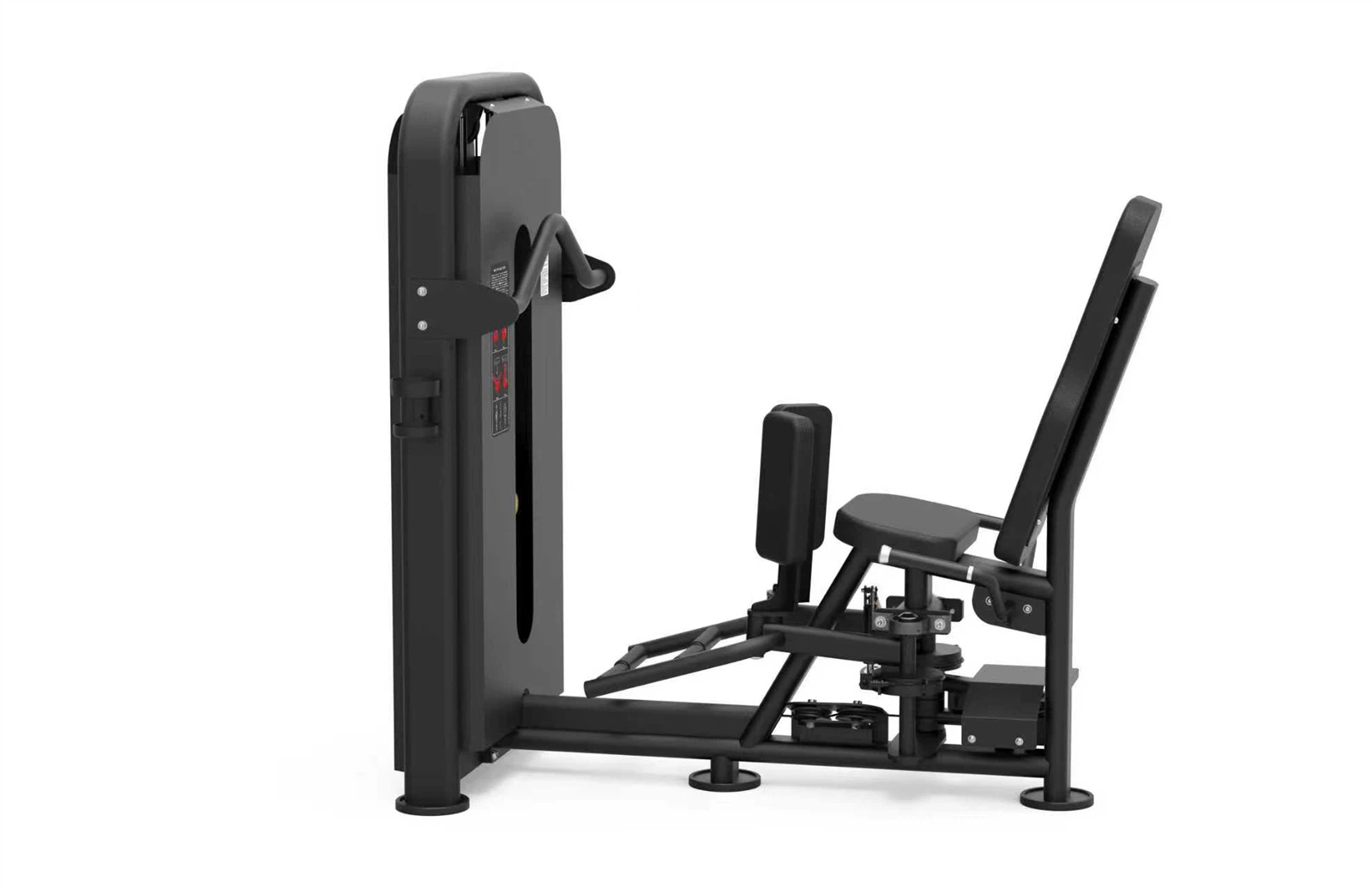
First, we need to clarify the core training objectives of the thigh inner and outer trainer. This equipment mainly targets two major muscle groups: one is the inner thigh muscles, including adductors, gracilis, etc. These muscles are responsible for the adduction movement of the legs, and they exert less force when walking or climbing stairs, which can easily lead to relaxation and weakness, and then result in an untight leg shape and even "false hip width"; the other is the outer thigh muscles, mainly the gluteus medius and tensor fasciae latae, which are responsible for the abduction function of the legs. Strengthening these muscles can effectively improve the hip line, stabilize the knee joint, and reduce the risk of knee injury during exercise. Whether you are a fitness novice who wants to improve your leg shape or an advanced trainer who needs to strengthen the weak muscles of the legs, this equipment can accurately meet your needs.
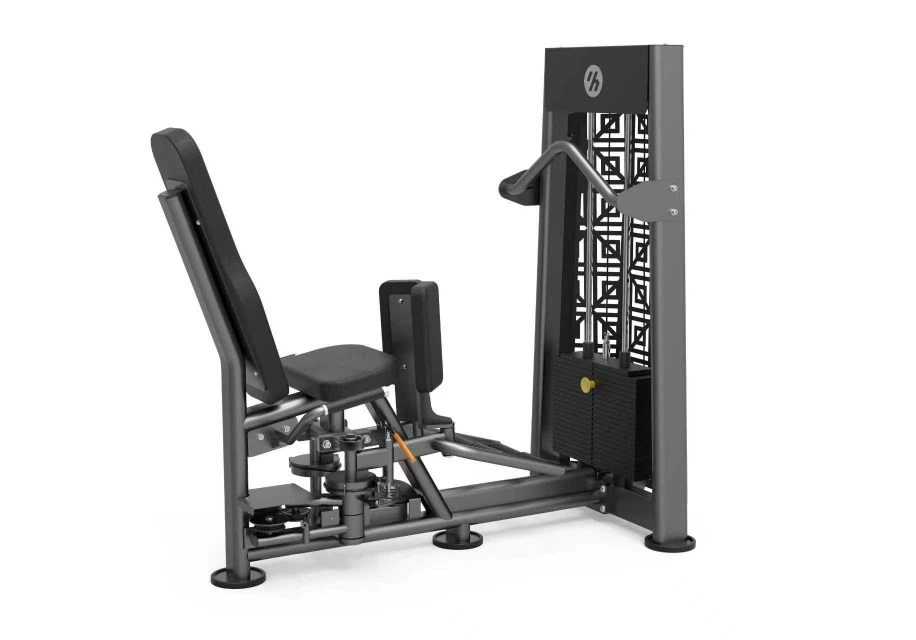
Next, we will detailedly break down the correct use of the thigh inner and outer trainer, which is divided into two modes: "inner thigh training" and "outer thigh training", with clear and easy-to-understand steps.
Let's start with inner thigh training (adduction mode): Step 1, adjust the height of the equipment seat. After sitting down, ensure that the thighs are parallel to the ground, the calves are naturally perpendicular to the ground, and the baffle of the equipment fits exactly the upper part of the inner thigh (near the position above the knees). This can ensure that the force point accurately acts on the target muscle group during training; Step 2, adjust the distance between the baffles. The initial distance should be such that the legs can be naturally spread without feeling tight after sitting down, and the distance can be gradually reduced according to the training intensity later; Step 3, perform the training with correct force. After sitting firmly, keep your back straight and close to the backrest of the equipment, tighten your core, step your feet firmly on the ground, and naturally grasp the armrests on both sides of the equipment with your hands to maintain balance. When exerting force, use the strength of the inner thighs to drive the legs to clamp inward, feel the contraction of the inner muscles, stay for 1-2 seconds after clamping, then slowly relax and let the legs return to the initial position, and repeat the movement. Note to keep breathing steady throughout, exhale when clamping, and inhale when relaxing, avoiding using waist force to compensate.
Then is the outer thigh training (abduction mode): The operation steps are similar to the adduction mode, and the core difference lies in the fitting position of the baffle and the direction of force application. Step 1, after adjusting the seat height, fit the equipment baffle to the upper part of the outer thigh; Step 2, adjust the initial distance to ensure that when the legs are naturally closed, the baffle can fit the legs gently without causing oppression; Step 3, when exerting force for training, keep your back straight and core tight, use the strength of the outer thighs and the side of the buttocks to drive the legs to push outward, stay for 1-2 seconds when pushing to the maximum range, feel the tightness of the outer muscles, then slowly retract the legs and repeat the movement. It should be noted here that the speed of pushing the legs should not be too fast, and avoid using inertial force to exert force, otherwise it will reduce the training effect and may increase the burden on the hip joints.
Mastering the usage method, we also need to understand some key training precautions to make the training safer and more efficient. First, control the training weight. Novices are advised to start with a lighter weight, first familiarize themselves with the movement mode, find the feeling of force application of the target muscle group, and then gradually increase the weight, avoiding using heavy weight at the beginning which may lead to incorrect movement or muscle strain; Second, grasp the movement rhythm. Keep "slow force application and slow return" throughout the process, taking 2-3 seconds for both the force application stage and the return stage, so that the muscles are in a stressed state throughout to improve training efficiency; Third, avoid common mistakes. For example, do not hunch over, do not use leg inertia to drive the movement, do not excessively pursue the movement range beyond the joint activity range. These mistakes will not only affect the training effect, but also may damage the knee joint or hip joint; Fourth, arrange the training frequency reasonably. The inner and outer thigh muscles are small and medium-sized muscle groups with a fast recovery speed. It is recommended to train 2-3 times a week, 3-4 sets for each mode each time, 12-15 repetitions per set, and rest for 30-60 seconds between sets. It can be combined with squats, glute bridges and other movements for combined training.
Finally, let's talk about the applicable groups and advanced skills of the thigh inner and outer trainer. In addition to ordinary fitness enthusiasts, this equipment is particularly friendly to specific groups of people: for example, office workers who sit for a long time. Long-term sitting will lead to relaxation of the inner thigh muscles and weakness of the gluteal muscles. Training with it can effectively activate these "dormant muscles"; Postpartum women, due to the impact on the pelvic floor muscles and leg muscles during childbirth, proper training of the inner and outer thighs helps to restore leg strength and body posture; For people with knee discomfort, performing low-weight training under professional guidance can strengthen the stabilizing muscles around the knee joint and relieve discomfort. Advanced trainers can try to adjust training variables, such as staying at the top of the movement for 3-5 seconds to increase the difficulty of muscle control; or adopt "drop set" training, which means continuing training with reduced weight immediately after training to exhaustion in one set, so as to improve muscle endurance and explosive power.
In a word, the thigh inner and outer trainer is not a "peripheral equipment", but an important tool for leg shaping and strength enhancement. As long as you master the correct usage method, avoid common misunderstandings, and train targetedly, you can effectively improve your leg shape, strengthen knee joint stability, and make your leg training more comprehensive and efficient. Next time you go to the gym, you may wish to take the initiative to walk towards this equipment and unlock new possibilities for leg training!