How To Establish A Gym
Aug 23, 2025
Leave a message
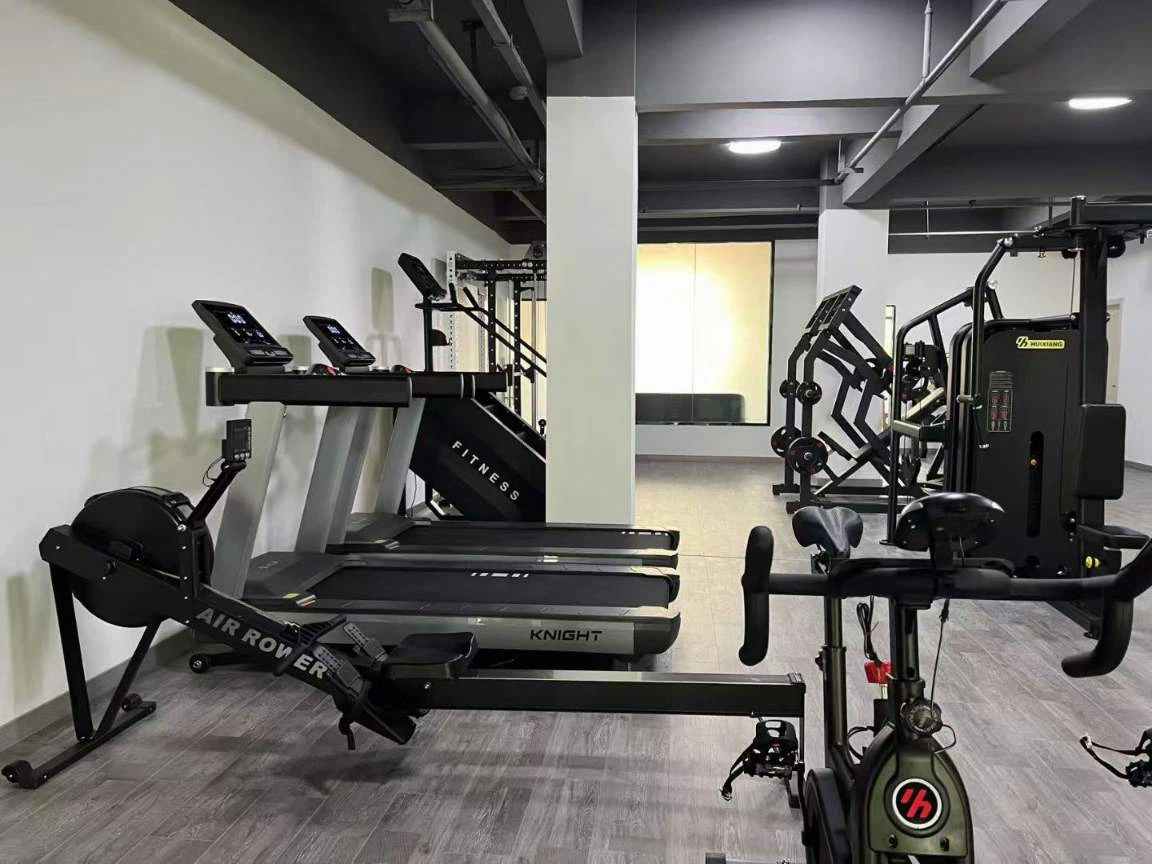
Establishing a gym demands a well-organized, systematic approach for long-term success. First and foremost, conduct in-depth market research: investigate the surrounding population's age distribution (e.g., young professionals or middle-aged residents), average household income (to gauge membership affordability), and fitness preferences (weight loss, muscle building, or rehabilitation). This helps identify target customers-like busy office workers or families-and avoids blind site selection, a common cause of low foot traffic.
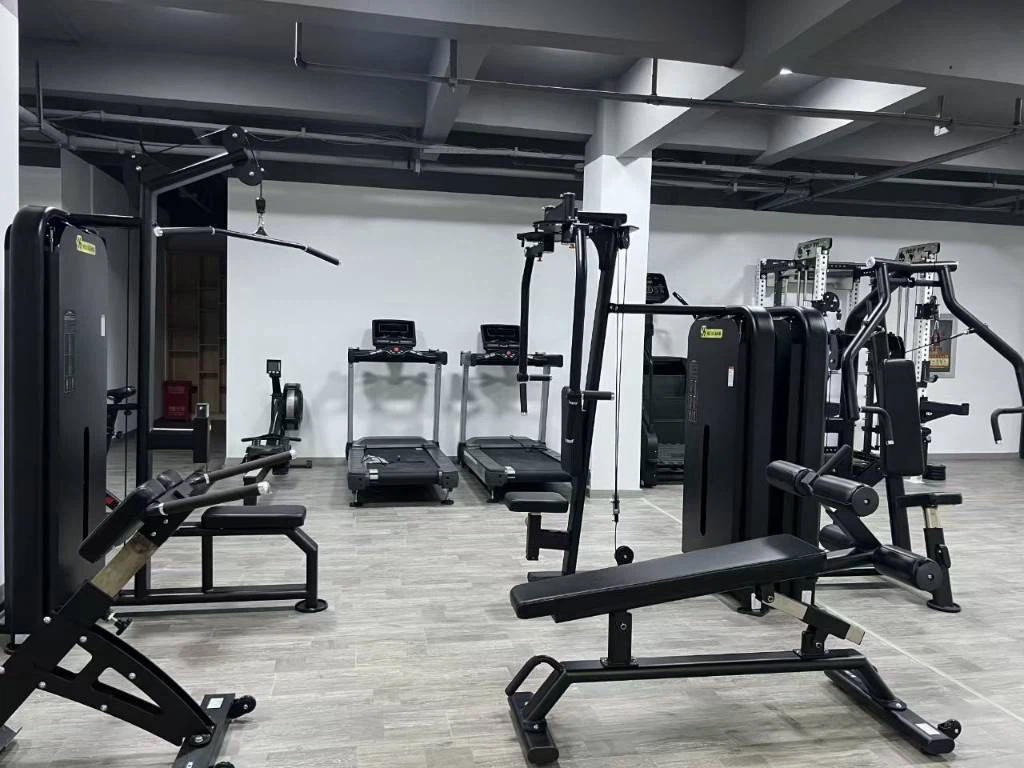
Next, choose a suitable venue. Prioritize locations with convenient transport (near subways, buses, or residential areas with parking). Floor height should be at least 3 meters to fit tall equipment and ensure air circulation. Area depends on scale: 200-300㎡ for small gyms, 500㎡+ for medium ones. Divide into functional zones: cardio (treadmills, ellipticals), strength (dumbbells, weight machines), group studio (yoga, Pilates), and a small resting area with lockers to boost experience.
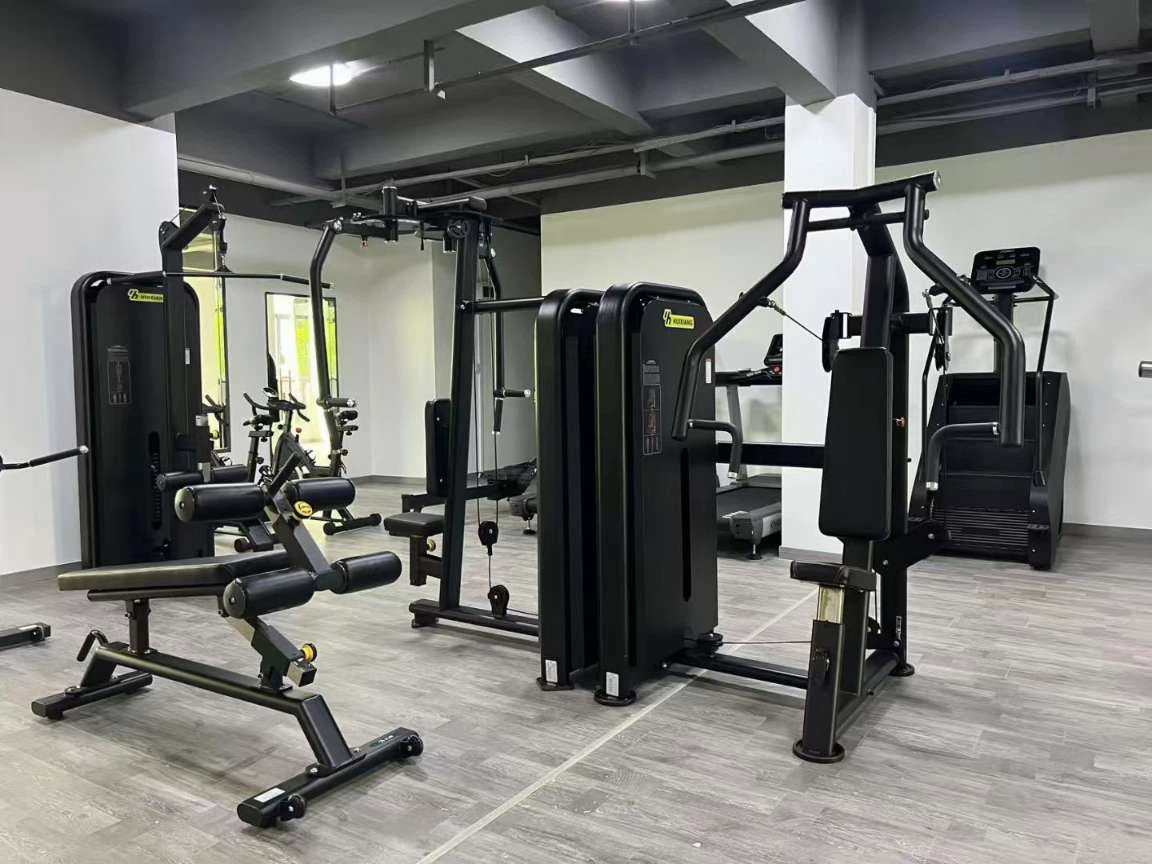
Then, buy high-quality, certified equipment (treadmills, dumbbells, weight benches) to avoid safety risks. Set a comfortable environment with AC (22-26°C) and good ventilation-key for customer retention. Complete legal procedures: business license, health permit, and fire safety inspection to avoid fines or suspension.
Finally, craft a comprehensive operation plan. Design flexible membership packages (monthly/annual) with discounts for students/seniors. Recruit certified coaches (ACE, NASM) and offer diverse courses (HIIT, spinning). Promote via social media (Instagram, Facebook) and local events (free trials) to attract customers and build a solid foundation for long-term growth.